8 Must-Try Santorini Dishes: Elevate Your Island Trip
"The perfect Santorini evening isn't just about the golden light hitting the white walls; it is about the salt on your skin and the acidity of a volcanic white wine cutting through fresh seafood."
To truly experience Santorini, you must look past the generic Greek salads found in every coastal town and embrace the unique flavors born from volcanic soil.
The key is pairing the island's distinct, mineral-rich produce with the right setting—whether that is a high-end caldera terrace or a quiet village taverna.
Key Takeaways * Focus on volcanic-grown produce and Assyrtiko wine to experience the true culinary DNA of the island. * Match your dining choice to your objective: high-end sunset terraces for romance, and inland villages for authentic, budget-friendly flavors.
* Plan your bookings well in advance for caldera-view tables, but don't overlook the local gems in Pyrgos or Emporio for a deeper taste of tradition.

Why does the food taste so different here?
The sun begins to dip behind the caldera, casting long, amber shadows across the whitewashed alleys of Oia. You sit at a small table, the smell of sea salt mixing with the scent of roasting garlic, realizing that the food here is fundamentally different from the mainland.
The culinary identity of Santorini is inseparable from its geology. Because the island is a volcanic caldera, the soil is incredibly rich in minerals but lacks significant organic matter.
In 2025, travelers noted that the intensity of the flavors remained the primary reason for repeat visits to the Cyclades.
This unique environment produces vegetables and grapes with a concentrated, intense flavor profile that you cannot find anywhere else in the Aegean. For instance, the local tomatoes are small, sweet, and burst with acidity, while the vegetables often carry a subtle smokiness.
Wine is the heartbeat of this flavor profile. The Assyrtiko grape, which thrives in this harsh, volcanic environment, produces wines with high acidity and a distinct saline finish. This minerality is the perfect counterpoint to the oily textures of grilled octopus or the creaminess of local cheeses.
When you order, you aren't just eating; you are tasting the volcanic history of the Cyclades.
*Pro-tip: When dining by the water, always prioritize grilled seafood over heavy meat dishes to let the natural freshness of the catch shine against the salty breeze.*

How do you navigate the dining options?
A group of friends gathers around a large wooden table in a sunny courtyard, laughing as they pass around plates of fresh appetizers. The atmosphere is casual, loud, and filled with the energy of a midday feast.
Choosing where to eat in Santorini requires a strategic approach to your itinerary. The dining scene generally falls into three distinct categories:
- Sunset Dining (The Pinnacle): These are the high-end restaurants located on the cliffs of Oia or Imerovigli. They offer the "million-dollar view." These spots are designed for honeymooners and special celebrations. Expect higher prices and the need for reservations weeks in advance.
- Mid-Range/Daytime Dining: These are often found in the quieter streets of Fira or Pyrgos. They offer excellent food and beautiful views without the extreme "sunset tax." This is where you can enjoy a long, leisurely lunch while still feeling immersed in the scenery.
- Local Gems (The Authentic Path): To find the true soul of the island, head to villages like Emporio or Megalochori. These inland spots focus more on traditional cooking methods and local ingredients than on the view. The prices are much lower, and the flavors are often more robust.
Deciding between a caldera-view hotel restaurant and a traditional village taverna depends on your goal. Do you want the visual spectacle of the sunset, or do you want to taste the heritage of the island?
What are the must-try dishes beyond the tourist menu?
A plate of golden-yellow fava is placed on the table, topped with a drizzle of olive oil and a few slivers of red onion. It looks simple, but the aroma is complex and earthy.
To move beyond the standard tourist menu, you must seek out dishes that highlight the island's specific agriculture.
| Dish Category | Specific Local Item | Why It Matters |
|---|---|---|
| The Staple | *Fava* (Yellow Split Pea Puree) | A creamy, earthy puree made from local yellow split peas, often served with onions and capers. |
| The Star | *Tomatokeftedes* (Tomato Fritters) | Made with the unique, small Santorini tomatoes, these are crispy, savory, and burst with flavor. |
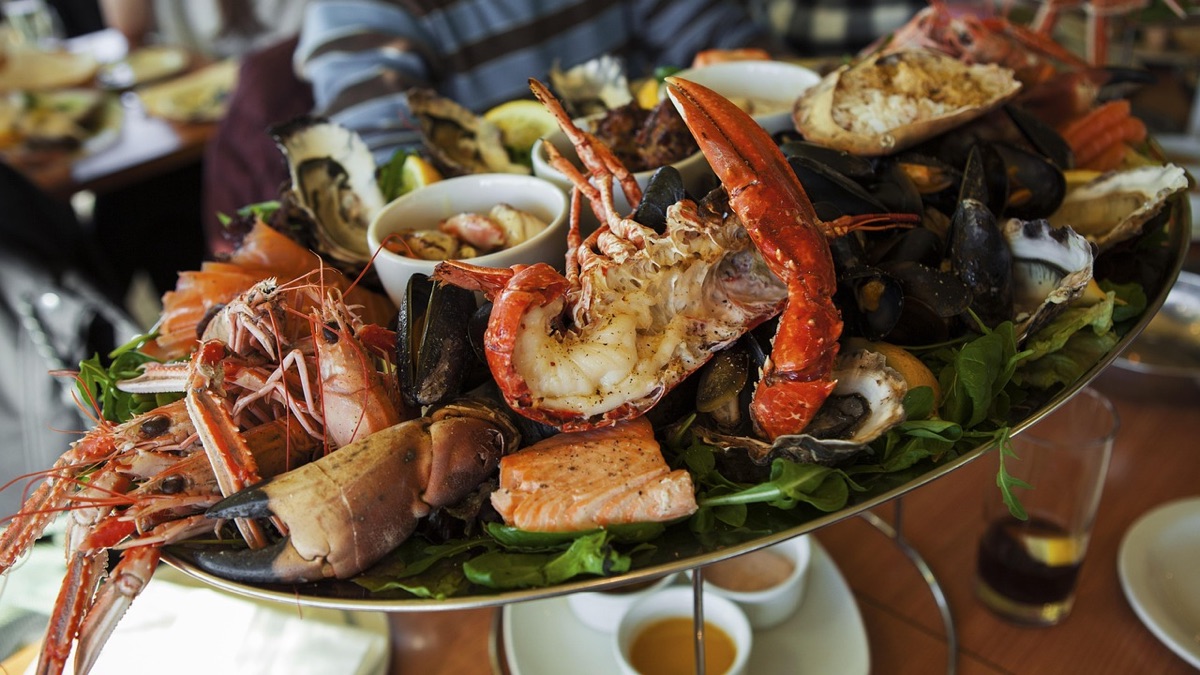
| The Seafood | Grilled Octopus or Sea Urchin | Freshly caught and often prepared simply with lemon and olive oil to highlight the freshness. |
| The Cheese | *Chlorotyri* | A local white cheese that is creamy and slightly tangy, perfect for pairing with wine. |
When you see *Tomatokeftedes* on a menu, order them. It is a quintessential Santorini experience. Similarly, don't overlook the local split pea *fava*; it is a staple that represents the agricultural resilience of the island.
When ordering, always ask about the freshness of the catch and the origin of the vegetables. In Santorini, the ingredient is the star, not the chef's complicated techniques.
How do you pair your meal with the perfect view?
The clink of crystal glasses echoes against the stone walls as the sky turns a deep shade of violet. The transition from day to night is seamless, marked only by the changing light on the caldera.
The ambiance of your restaurant should match the mood of your meal. The "wow" factor of a high-end infinity pool restaurant is unmatched for a romantic gesture, but it can sometimes feel disconnected from the local culture. In these settings, the view is the primary course.
For a more intimate escape, look for mid-range restaurants in Fira that offer balcony seating. You get the view without the overwhelming crowds of the main tourist strips.
For those seeking pure immersion, dining in a traditional courtyard in a non-tourist village provides a sense of peace that the caldera cannot offer.
A successful dining sequence often follows this pattern:
- Arrival & Aperitif: Start with a glass of chilled Assyrtiko while you settle into the view.
- The Main Course: Focus on the heavy hitters—grilled fish or local vegetable specialties.
- The Digestif: End the meal with a local liqueur or a small sweet to reflect on the sunset.
How do you handle the logistics of budgeting and booking?
A traveler sits at a laptop in a bright cafe, checking reservation availability for the following week. The sun is high, and the task of planning feels urgent but manageable. According to World Bank data, Greece recorded an agricultural land share of 41.7% in 2023.
To avoid disappointment, you must understand the logistics of Greek island dining. The most sought-after tables—those directly facing the sunset in Oia—must be booked well in advance, especially during the peak summer months of 2026.
If you arrive without a reservation, you may find yourself relegated to a table in a dark corner or a side street far from the view.
* Booking Strategy: For sunset-specific dining, aim to book at least 2–4 weeks ahead. For casual daytime dining, you can usually walk in. * Hidden Value: Lesser-known villages like Akrotiri or Megalochori offer much better value for your money. * Budgeting: Expect to pay a significant premium for caldera views. A meal that costs €30 in a village might cost €90 in Oia for a similar quality of food. * Timing: In the summer, locals eat much later than Americans. If you want a quieter experience, try dining at 7:00 PM. If you want the peak atmosphere, aim for 8:30 PM or 9:00 PM.
When I first visited, I spent too much money on a single dinner in Oia and felt the letdown of a crowded terrace. I learned quickly that the best meals happened in the quieter streets of Pyrgos.
While the high prices of the caldera can be jarring, remember that you are paying for the seat, not just the food. If you want to save money without sacrificing quality, spend your afternoons exploring the inland villages and save your budget for one or two truly spectacular sunset meals.
#





Comments 0