Oia Sunset: 5 Prime Spots for Your Perfect Aegean Shot
"The sun doesn't just set in Oia; it performs a masterpiece that changes the very color of the world."
If you arrive at the blue domes just as the sun touches the horizon, you will likely find yourself staring at the back of a stranger's head instead of a masterpiece. To capture the shot of a lifetime, you need a strategy that balances geography, timing, and crowd management.
* The Golden Rule: Arrive at your chosen spot at least 90 minutes before the official sunset time. * Spot Diversity: Choose between wide-angle caldera vistas or intimate, architecture-focused corners. * Logistics Mastery: Scout your location during the late afternoon to secure a "seat" before the rush. * Technical Tip: Watch the light transition from gold to deep violet to capture the full emotional range of the evening.
Where are the 5 best spots for the Oia sunset?
The sun begins to dip toward the Aegean Sea, casting long, dramatic shadows across the white-washed walls of Oia. I remember standing on a narrow stone ledge last July, feeling the warmth of the stone beneath my feet and the sudden hush that falls over the crowd as the light turns amber.
Spot 1: The Oia Castle Ruins (Byzantine Castle Ruins) This is the legendary viewpoint where the crowds congregate. It offers a sweeping, wide-angle view of the entire caldera and the volcano in the distance.
It is the ultimate setting for capturing the contrast between the white village architecture and the deep blue of the sea. Because it is a public space, you must be prepared for a high density of people.
Spot 2: Armeni Path/Lower Path towards Ammoudi Bay If you are willing to walk down the winding stone steps toward the water, you find a much more intimate setting. This spot offers a dramatic cliff-edge presence that feels much closer to the elements.
You must arrive early because the descent and ascent can take significant time, and the best ledge spots are claimed hours in advance.
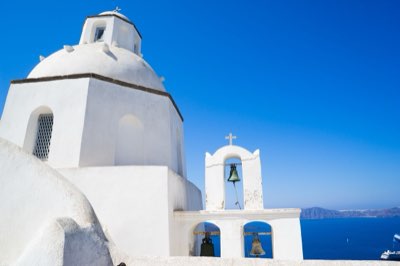
Spot 3: The Blue Domed Churches (Agios Nikolaos Church vicinity) For those seeking the quintessential "postcard" shot, the area around the blue domes is unmatched.
It is the most romantic setting, often requiring you to find a specific angle that uses the blue domes as a foreground element against the setting sun. It is best for couples seeking that specific, iconic aesthetic, though privacy is limited.
Spot 4: Skaros Rock Perspective (Viewing from Oia Heights) While Skaros Rock is on a different part of the island, looking back toward the Oia cliffs from the higher ridges offers a unique perspective. It focuses on the interplay between the massive volcanic cliffs and the setting sun.
This is a great option for photographers who want to capture the scale of the caldera without the immediate crush of the castle crowds.
Spot 5: The Quiet Side Streets of Niroulas and Panagia Often overlooked by the mass of tourists heading to the castle, the winding alleys of the upper village provide "framed" shots. You can use a white archway or a blooming bougainvillea branch to frame the sun.
This is the best way to avoid the cliché "sea-only" shot and add a sense of local life to your photography.
| Feature | Oia Castle | Ammoudi Path | Blue Domes | Side Streets |
|---|---|---|---|---|
| View Type | Wide/Panoramic | Dramatic/Cliffside | Iconic/Architectural | Framed/Intimate |
| Crowd Level | Extremely High | Moderate | High | Low to Moderate |
| Best For | Landscapes | Adventure/Scale | Couples/Social Media | Artistic/Detail |
But having a list of locations is only half the battle.
When should I arrive versus when should I shoot?
The sun begins to dip behind the horizon at a specific minute, but that is not when the magic happens. I once sat on a stone wall in Oia, watching the light transition from a harsh white to a soft, honey-like gold, realizing that the "real" sunset was still an hour away.
The 90-Minute Rule is your most important tool. If the sun sets at 8:00 PM, you should be positioned and ready by 6:30 PM. This allows you to scout the light, find a stable place for your gear, and settle in before the peak crowd arrives.
The "Magic Hour" is that narrow 30-minute window leading up to the final descent. During this time, the light becomes directional, creating deep shadows and highlighting the textures of the volcanic rock and white plaster.
This is when you should transition from wide shots to more detailed compositions. Do not pack up your camera the moment the sun disappears. The "Blue Hour"—the period of deep blue and violet light immediately after sunset—is often when the colors are most surreal.
The sky can turn a bruised purple or a soft pink, providing a stunning backdrop for long-exposure shots of the village lights turning on.
If you see heavy clouds rolling in, do not be discouraged. While a clear sky is traditional, a dramatic cloud layer can catch the setting sun's light, creating fiery reds and oranges that a clear sky cannot produce. Always check the local weather forecast, but remain flexible.
However, timing is useless if you aren't prepared for the physical reality of the terrain.
🛠️ Setup & Gear: Securing Your Perfect Frame
A group of tourists pushes past you, accidentally bumping your tripod. You realize that in Oia, your "spot" is just as important as your camera settings.
Crowd management is a physical task in Santorini. If you do not want to pay for a premium dinner reservation at a sunset-view restaurant, you must "claim" your territory. This often means finding a ledge or a wall and setting up your gear early.
If you are using a tripod, be mindful of your surroundings; in narrow streets, a tripod can be a tripping hazard for others.
Regarding technical gear, a versatile zoom lens is often better than a prime lens in Oia. You may need to zoom in to capture a detail or zoom out to capture the vastness of the caldera.
If you use a tripod, ensure it is lightweight but stable enough to handle the wind that often picks up in the evening.
Follow this sequential plan for a smooth evening: 1. Arrive & Scout: Visit your chosen spot in the late afternoon to see how the light hits. 2. Set Up: Place your gear and find a comfortable place to sit or stand. 3. The Golden Phase: Focus on wide-angle shots as the light turns gold. 4.
The Final Descent: Prepare for the moment the sun disappears. 5. The Blue Hour: Capture the transition to twilight.
Finding quiet pockets is a skill. If the castle is too loud, walk just two streets over or head slightly higher up the hill. Often, a slight change in elevation or a turn around a corner can move you from a wall of people to a moment of relative peace.
But what happens once the sun is gone and you are left in the dark?
☀️ Beyond the Sunset: Maximizing Your Oia Day Trip
The sun is high in the sky, and the heat radiates off the white stones. It is almost too bright to look at, yet the colors of the Aegean are at their most vibrant blue. According to World Bank, Greece recorded international tourist arrivals of 7,406,000 in 2020.
In the summer of 2025, visitor numbers in the Cyclades hit record highs, making the midday heat even more intense for those wandering the streets.
Mid-day in Santorini can be harsh for photography. The high sun creates flat, washed-out images. Use this time for activities that don't require perfect light, such as visiting the Archaeological Museum or walking through the local shops.
If you must shoot, look for heavy shadows or use a circular polarizer to manage the glare.
Before you commit your entire evening to the sunset vigil, engage in local culture. Spend your afternoon wandering the narrow paths of Pyrgos or visiting a local winery for a tasting of Assyrtiko wine. This ensures your day is full of variety and you aren't just "waiting" for the sun.
After the sun goes down, transition to a planned dinner. Many of the best restaurants in Oia require reservations weeks in advance for a table with a view.
Having a table waiting for you allows you to enjoy the transition from sunset to evening without the stress of finding a place to eat in the dark.
It is important to note that these tips assume you are traveling during the peak season. In the off-season, the crowds are thinner, but the wind can be much more aggressive and the light transitions much faster.

Comments 0