8 Ways to Elevate Santorini Content Past Tourist Tropes
"Don't just photograph the blue dome; tell the story of the hands that painted it."
If you want to stand out in a sea of identical sunset photos, you have to stop being a tourist and start being a storyteller. Generic guides that list "top 5 sights" are a dime a dozen and rarely build a loyal following.
To create content that truly resonates, you must tap into the specific, breathing DNA of the Cyclades.
Key Takeaways * Authenticity over Aesthetics: Shift your focus from "what to see" to "how to experience" the local way. * Use Character as a Bridge: Use specific personas—like the wine connoisseur or the history buff—to guide your reader's decisions.
* Deep-Dive Specifics: Move past surface-level attraction lists to explore village dynamics, geology, and local traditions. * Structure for Decision-Making: Build content that helps readers choose between competing options, like Oia versus Pyrgos.

Why "Santorini Character" is Your Content Superpower
I stood on a narrow, winding alleyway in Pyrgos last Tuesday, the smell of wild oregano hitting me as a local elderly gentleman carefully moved a crate of lemons past me. He didn't look at my camera; he was simply living his life in a way that felt timeless.
According to World Bank data, Greece recorded international tourist arrivals of 7,406,000 in 2020.
That moment—the intersection of a specific place and a specific human rhythm—is where great content begins.
The problem with most travel blogs is that they hit a plateau. You post a photo of a blue dome, you get likes, and then you post another one, and the engagement drops because you aren't offering anything new. You are just repeating a postcard.
To break this cycle, you need to develop a "character" for your content—a narrative lens that turns a static location into a living setting.
Think of your content through archetypes.
Instead of a generic "Best Places to Eat" list, create a guide titled "The Sommelier’s Path through Santorini’s Volcanic Vineyards." Or, instead of "Walking Tours," try "The Historian’s Trek through Akrotiri." By mapping a specific persona to a cultural element, you provide a reason for the reader to care.
You aren't just showing them a place; you are inviting them to inhabit a lifestyle.
But how do you actually translate that feeling into a digital format?
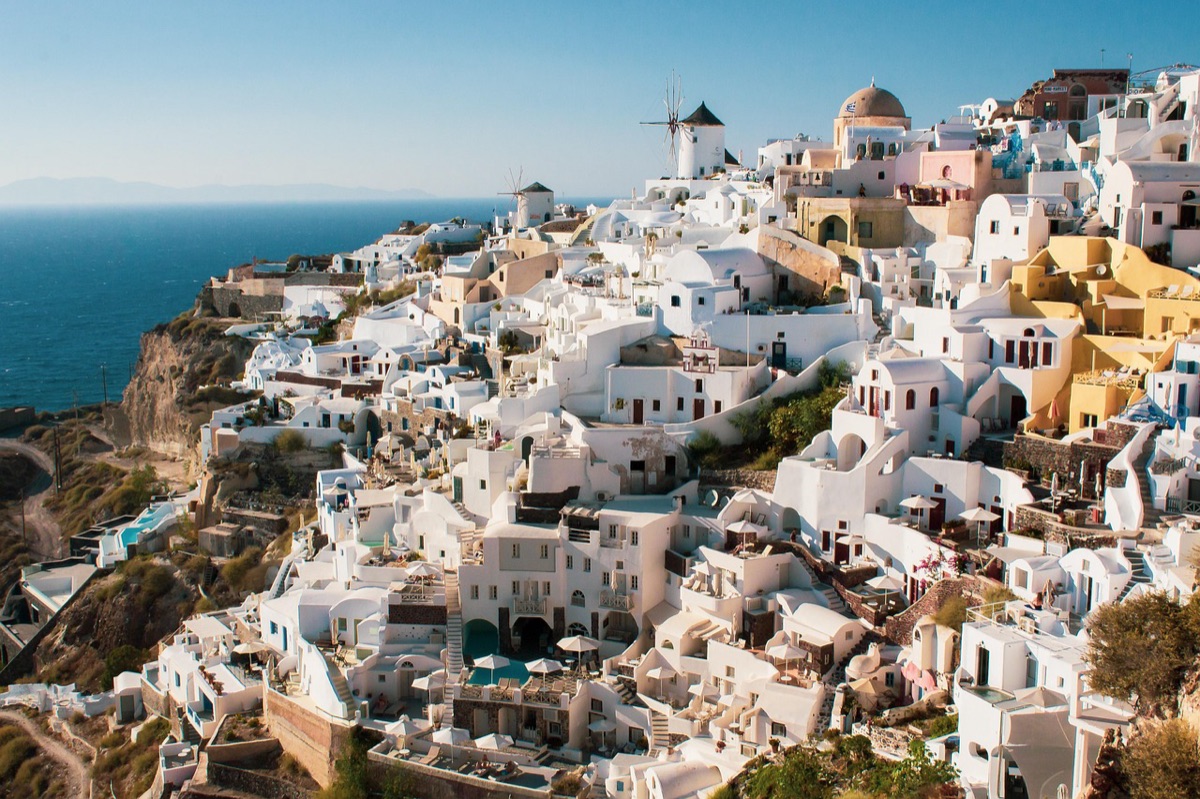
How can I map local DNA to digital content? The sun began to dip toward the Aegean, turning the white walls of Imerovigli into a soft, glowing pink. I sat there with a glass of Assyrtiko, noting how the acidity of the wine seemed to mimic the sharp, clean lines of the architecture.
To create deep content, you must deconstruct the "palette" of the island. It isn't just about blue and white; it is about the geometry of Cycladic architecture, the texture of volcanic stone, and the specific way the light hits the caldera at 6:00 PM.
* The Visual Code: Don't just take wide shots. Capture the texture of a whitewashed wall, the shadow of a bougainvillea petal, or the way a narrow staircase disappears into a blue doorway. * The Sensory Layer: Great writing engages more than sight. Describe the crunch of volcanic pebbles under your boots, the salt spray on your skin at Perissa Beach, or the heavy, sweet scent of jasmine in the evening. * The Narrative Depth: Weave in the "why." Mention how the volcanic soil shapes the unique acidity of the wine or how the clever architecture was designed to catch the breeze. This turns a photo into a lesson.
When I was organizing my own travel notes in early 2025, I realized that a single beautiful photo is just a door. The text is what makes people walk through it.
However, there is a risk in getting too lost in the poetry. If you forget the practicalities, your readers will feel stranded.
How do I go from attraction reviews to a cultural deep dive? I remember debating with a friend in Fira: "Should we stay in the hustle of the town or head to the quiet of Oia?" We spent an hour weighing the pros and cons of luxury versus atmosphere.
This internal debate is exactly what your readers are doing. Your job is to provide the framework for their decisions. Move away from simple reviews and toward "Vs." frameworks. A post titled "Fira vs.
Oia: Which Vibe Matches Your Trip Goal?" is infinitely more valuable than "Top Things to do in Oia."
| Feature | Oia (The Romantic) | Fira (The Socialite) |
|---|---|---|
| Primary Vibe | High-end luxury & sunsets | Bustling energy & nightlife |
| Best For | Honeymooners & photographers | Groups & first-time visitors |
| Crowd Level | Extremely high during sunset | Consiently busy all day |
| Price Point | Premium/Luxury | Mid-to-High Range |
When you write about a restaurant, don't just say it's "delicious." Evaluate it through a specific lens. Is it a "Taverna with Authentic Local Soul" or a "High-End Sunset Destination"? This distinction helps your reader decide if the price tag matches their specific travel goals.
But how do you organize all these different layers into a cohesive plan?

Advanced Content Sequencing: Building Your Content Ecosystem
I sat in a small cafe in Megalochori, looking at my notebook filled with sketches of a three-day itinerary. I realized that a single post wasn't enough; I needed a way to lead my readers from their first dream of Greece to their final flight home.
To build a loyal audience, you need a content ecosystem. This means your posts should link together logically, creating a "decision tree" for the reader.
- The Hook (Aspirational): Start with broad, beautiful topics like "The Ultimate Guide to the Cyclades" to attract wide interest.
- The Comparison (Decision-Making): Once they are interested, give them the "Vs." content (e.g., "Island Hopping: Santorini vs. Mykonos").
- The Deep Dive (Niche): For those who have decided on Santorini, provide the hyper-specific guides (e.g., "The Hidden Vineyards of Pyrgos").
- The Utility (Logistical): Finally, provide the practical "how-to" (e.g., "Navigating the Ferry System: A Step-by-Step Guide").
By sequencing your content this way, you transition from being a mere source of information to being a trusted travel companion. You aren't just giving them a list; you are walking them through the entire journey.
Wait, is there a downside to this level of detail?
The Limits of Perfection
It is important to remember that no single guide can capture the totality of an island. A deep dive into the history of Akrotiri might fascinate a scholar but could feel overwhelming to a traveler looking for a simple beach day.
Always consider your audience's current state of mind. Some readers want a roadmap, while others just want a daydream. If you provide too much density, you risk losing the casual browser.
Balance is the key to staying relevant through 2026 and beyond.


Comments 0