Santorini Photography: Gear & Techniques for Volcanic Light
"The light in Santorini doesn't just illuminate the landscape; it sculpts it into a masterpiece of white and blue."
To capture the essence of this volcanic paradise, you must balance high-end optical gear with a deep understanding of Mediterranean light. This guide provides the technical roadmap to transition from a mere tourist to a visual storyteller.
* Gear Pairing: Match wide-angle lenses for architecture with telephoto lenses for caldera compression. * Lighting Strategy: Master the transition from harsh midday whites to the soft, golden hues of the Aegean sunset. * Technical Precision: Use manual white balance and exposure compensation to prevent the "washed-out" look common in bright environments.
Why Santorini Demands Specific Filming Gear
I stood on a narrow stone ledge in Oia, the wind whipping against my tripod, looking down at the vast caldera that stretches toward the horizon. The scale of the cliffs is immense, and without the right glass, your photos will fail to convey that sense of vertigo and beauty.
According to World Bank data, Greece recorded a high-technology share of manufactured exports of 15.0% in 2024.
When you are shooting in a place like Santorini—located about 200 km (120 mi) southeast from the Greek mainland—the sheer verticality of the landscape requires versatile optics.
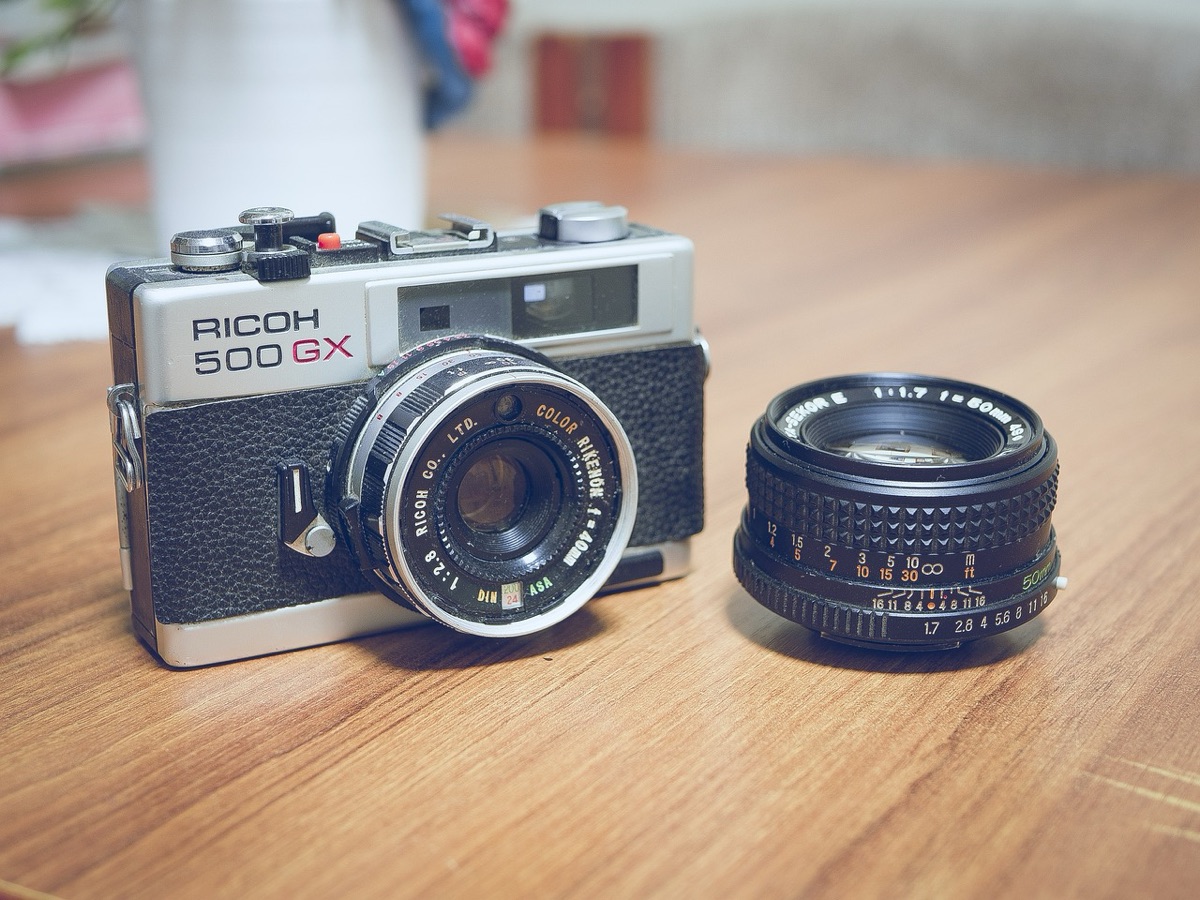
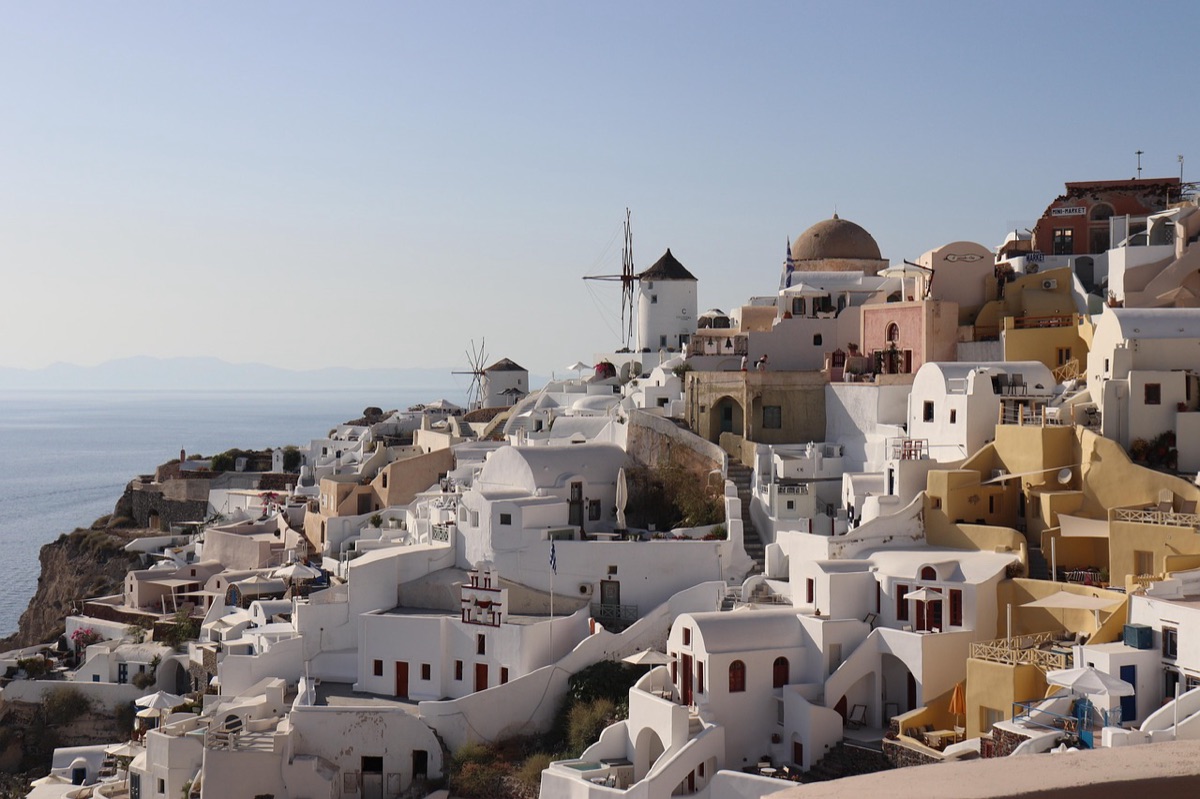
For those sweeping shots of the caldera and the blue domes, a wide-angle lens (between 16mm and 35mm) is non-negotiable to capture the architecture and the sea in a single frame.
Conversely, a telephoto lens is essential for "compression shots," where you bring the distant volcanic islands closer to the foreground architecture.
Because you will often be walking up steep, uneven stairs or navigating narrow alleys, a lightweight, stabilized setup is better than a heavy professional rig. A compact mirrorless camera with a versatile zoom lens often outperforms a bulky DSLR in these tight spaces.
Additionally, since you might spend hours chasing the perfect light from sunrise to sunset, always carry extra batteries and high-speed SD cards; the constant switching between high-resolution stills and 4K video can drain power faster than you expect.
But even with the best gear, you might still find your shots looking flat.
How do I master the golden hour timing? The sun began to dip toward the horizon, turning the white walls of the village into a soft peach hue, and I realized that every minute changed the geometry of the shadows. Timing is the difference between a postcard and a professional shot.
According to World Bank data, Greece recorded international tourist arrivals of 7,406,000 in 2020.
In Santorini, the "Golden Hour" is your most valuable asset. In Oia, the sun sets behind the cliffs, creating a dramatic transition of colors.
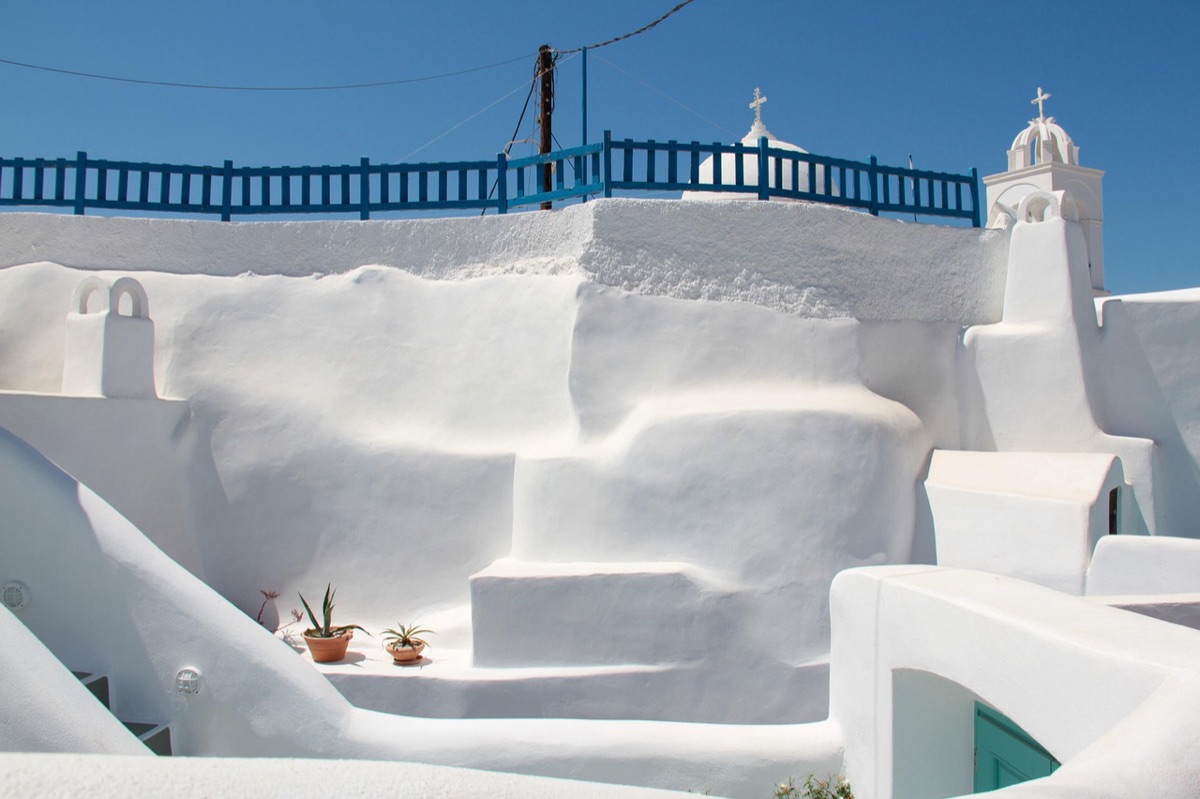
To capture the iconic blue domes, you often need to shoot in the late morning when the sun is high enough to illuminate the blue but not so harsh that it blows out the white walls.
If you want to capture the "Blue Dome" effect without heavy crowds, aim for the early morning hours. The light is cooler, and the shadows are long, providing a sense of depth to the Cycladic architecture.
For the ultimate sunset sequence, arrive at your chosen viewpoint at least 90 minutes before the sun disappears to capture the transition from bright daylight to the deep oranges and purples of dusk.
However, even with perfect timing, the extreme brightness of the setting can ruin your exposure.
What technical settings do I need for the Aegean drama? The glare from the white-washed walls was so intense that my camera's auto-exposure kept hunting, resulting in a shot that looked flat and grey. I had to step in and take manual control to save the shot. According to World Bank data, Greece recorded a share of internet users of 86.3% in 2024.
The extreme contrast between the bright white buildings and the deep blue Aegean Sea requires careful setting management. To prevent the whites from looking "washed out" (losing all detail), you should often use negative exposure compensation. This keeps the texture of the white walls intact.
Regarding color, setting your White Balance to "Cloudy" or "Shade" can often help bring warmth to the white architecture, whereas setting it to a cooler setting can make the blue domes pop.For video, a higher frame rate can help capture the movement of the sea or the wind-blown bougainvillea in a cinematic way.
| Feature | Setting for White Walls | Setting for Sea/Blue Domes |
|---|---|---|
| Exposure | -0.3 to -0.7 EV | 0.0 to +0.3 EV |
| White Balance | Warm (Cloudy/Shade) | Cool (Daylight/Incandescent) |
| Aperture | Mid-range (f/5.6 - f/8) | Wide (f/2.8 - f/4) for bokeh |
But setting the right exposure is only half the battle; you also need to know what to look for in the frame.
Beyond the View: Capturing the Local DNA
I sat at a small wooden table in a quiet corner of Pyrgos, watching a local resident water a pot of geraniums against a blindingly white wall. It wasn't just the view that mattered; it was the life lived within the geometry.
According to World Bank data, Greece recorded a high-technology share of manufactured exports of 15.0% in 2024.
To tell a complete story, you must look beyond the wide vistas. The "DNA" of Santorini is found in the textures: the rough volcanic stone, the smooth plastered walls, and the vibrant pink of bougainvillea. Use macro photography or close-up shots to capture these details.
The contrast between the rugged, volcanic landscape and the delicate, human-made white villages is a powerful visual theme.
Try to frame your shots so that a piece of local life—like a plate of Assyrtiko wine or a narrow stone staircase—is in the foreground, providing a sense of scale and human connection to the vastness of the caldera.
If you want to turn these observations into a cohesive project, you need a plan of action.
Advanced Shot Sequencing: From Arrival to Sunset
As I packed my gear at the end of a long day, I looked back at my memory card, seeing a progression from the wide, sweeping vistas of my arrival to the intimate, shadowed corners of the evening. A great travel film or photo essay needs a narrative arc.
According to World Bank data, Greece recorded international tourist arrivals of 7,406,000 in 2020.
A professional-grade sequence should follow a logical flow:
- Establishing Shots: Start with wide-angle shots of the entire island or the caldera to set the scene.
- Mid-day Detail Shots: Capture the life within the villages—the narrow alleys, local shops, and the way people interact with the architecture.
- The Climax: This is your sunset sequence. Plan your tripod placement and transition from wide shots to tight, emotional close-ups as the light fades.
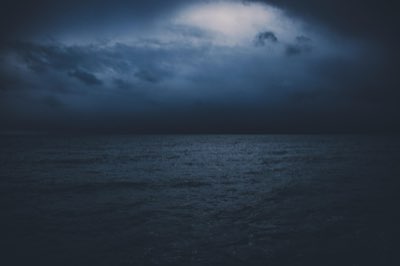
- The Afterglow: Don't pack up immediately after the sun disappears. The "blue hour" provides a unique, moody light that is perfect for capturing the twinkling lights of the villages against the dark sea.

Comments 0