90% Devotion: How Orthodoxy Defines Modern Greek Life
"To walk through a Greek village is to walk through a living museum of faith, where every blue dome tells a story of survival."
Understanding the cultural heartbeat of Greece is essential for anyone traveling beyond the postcard-perfect sunsets of Santorini. While you might be focused on finding the perfect photo in Oia, the local rhythm is often dictated by traditions that have remained unchanged for centuries.
Key Takeaways: * The profound influence of Eastern Orthodoxy on modern Greek life, shaping everything from village architecture to daily social customs. * Practical etiquette for visiting sacred spaces, including dress codes and respectful behavior.
* An understanding of how the island's volcanic geology and deep religious history intertwine to create its unique identity. * Tips for moving beyond mere sightseeing to foster genuine connection with the local community.
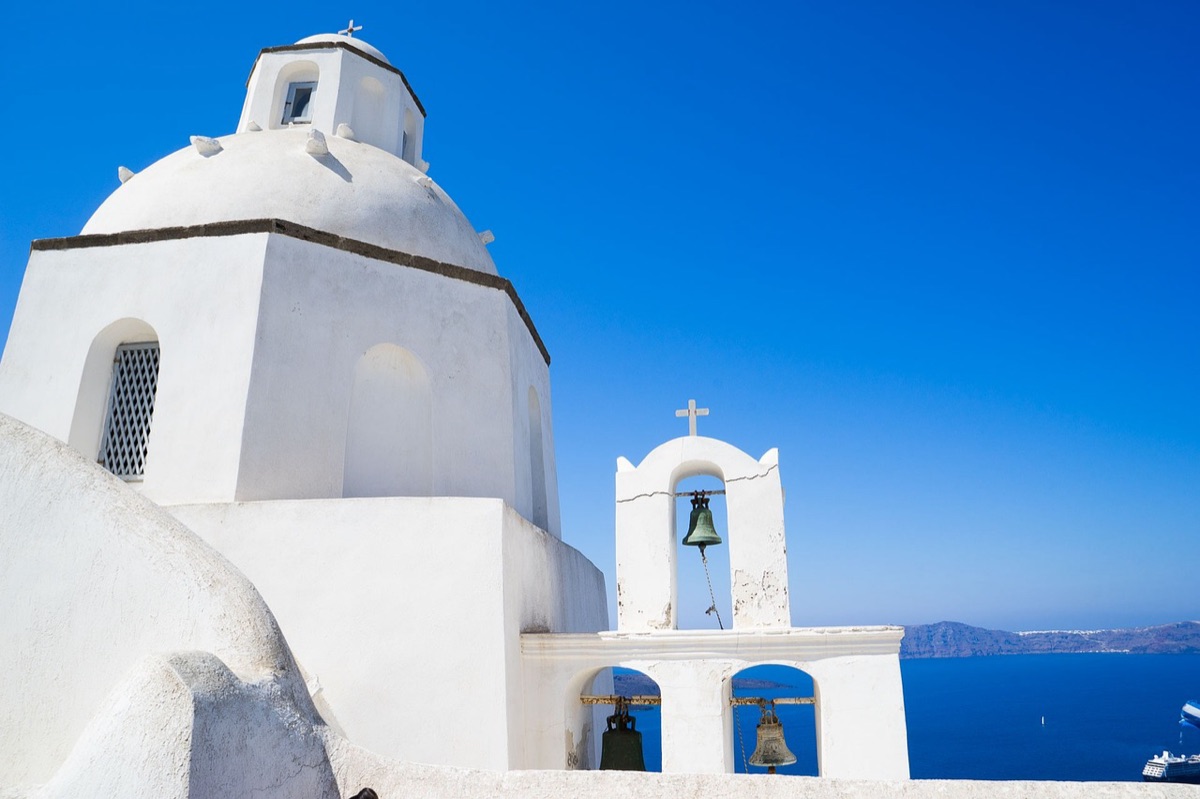
How does Orthodoxy shape Greece's spiritual fabric? The sun begins to crest over the Aegean Sea at 6:15 AM, casting a golden light on the whitewashed walls of a small chapel tucked into a cliffside. Inside, the scent of beeswax and frankincense lingers in the air, a quiet testament to generations of prayer.
According to World Bank data, Greece recorded international tourist arrivals of 7,406,000 in 2020.
The spiritual identity of Greece is not merely a historical footnote; it is the very fabric of the nation. For much of the population, Eastern Orthodoxy is a central pillar of identity.
This continuity is particularly strong in the diaspora; for example, Wikipedia notes that over 90 percent of Greeks in Australia are Greek Orthodox and many attend church weekly.
This deep-seated devotion is a reflection of a culture that has maintained its core values through various historical shifts.
In the Cyclades, this is visible in every blue dome you see. While these structures are iconic tourist attractions, they are first and foremost active places of worship. The architecture of the church is designed to draw the eye upward, mirroring the spiritual aspirations of the community.
Understanding that these are not just "scenic spots" but sacred spaces is the first step in respectful travel. But why does this spiritual weight feel so heavy even in the middle of a vacation?
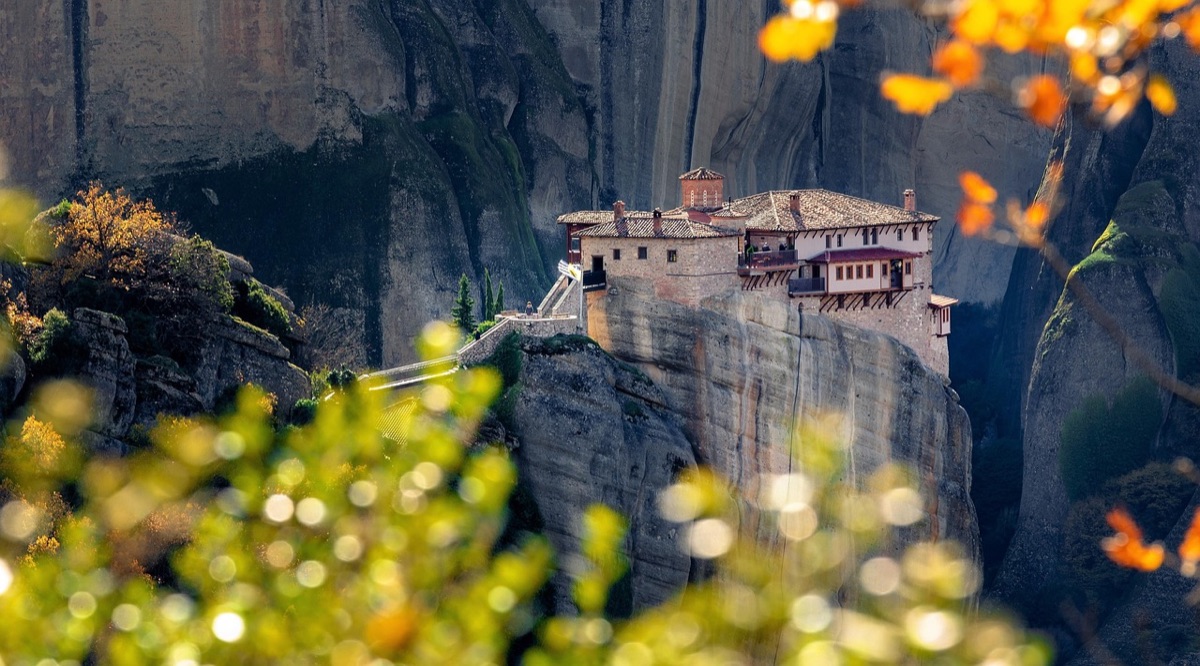
How were faith and fire used to shape Santorini? A sudden tremor shakes the ground slightly at 2:30 PM, a reminder of the sleeping giant beneath the cobblestone streets of Fira. The dust settles, and the view of the caldera remains as breathtaking as ever.
Santorini is a place of extreme contrasts, where the violent history of geology meets the steady hand of faith. The island is essentially the rim of a massive volcanic caldera, a result of cataclysmic eruptions that shaped the landscape.
This geological context created the dramatic cliffs that define the island's beauty but also a history of constant rebuilding.
The relationship between the dramatic landscape and the community is profound. Because the volcanic history and geological context have made life on the cliffs both beautiful and precarious, the local culture often leans heavily on community and faith for stability.
The settlements are often built in tight, defensive clusters, reflecting a history of survival against both nature and human elements. This blend of "fire and faith" is what gives Santorini its soul.
However, navigating this landscape requires more than just a good camera lens.
Navigating Local Life: Etiquette in the Villages
Walking through a narrow alley in Pyrgos at 4:00 PM, you notice a local resident quietly lighting a candle in a small roadside shrine. The atmosphere is one of quiet reverence, even in the heat of the afternoon.
When visiting the villages, respecting sacred spaces is paramount. While you are free to admire the architecture, entering a church requires a certain level of decorum. It is common to see locals engaging in quiet prayer or observing specific traditions.
To navigate local life smoothly, keep these etiquette tips in mind: 1. Respect the Dress Code: When entering a church, modesty is key. Ensure your shoulders and knees are covered. 2.
Observe the Rhythm: While tourism keeps the island busy, local life often follows traditional rhythms, especially during religious feast days or outside the peak summer months. 3.
Mind Your Volume: In quiet residential areas or near active churches, loud talking can be seen as disrespectful to both the residents and the sacred atmosphere. 4.
Small Gestures Matter: A polite nod or a simple "Kalimera" (Good morning) goes a long way in showing appreciation for the local culture.
When I first traveled through these islands, I mistakenly walked into a small chapel in midday heat wearing a sleeveless tank top. The sudden hush of the local elders made me realize my error immediately; a simple wrap in my bag now prevents that awkwardness.
But how do you transition from a mere observer to a respectful participant?

Enhancing Your Visit: A Traveler's Guide to Harmony
You stand at the edge of a terrace in Oia at 7:00 PM, looking down at the blue waters of the caldera, wearing a light linen shirt and sunglasses. You realize that looking beautiful in photos is secondary to feeling like you belong in the moment.
To truly enhance your visit, you must move beyond the role of a spectator. This means acknowledging that the culture has a deep-rootedness that predates the tourism industry by millennia.
| Aspect | Tourist Mindset | Culturally Aware Mindset |
|---|---|---|
| Church Visits | Treating domes as photo backdrops | Treating chapels as active sacred spaces |
| Local Interaction | Seeing residents as service providers | Seeing residents as keepers of tradition |
| Daily Schedule | Following a rigid sightseeing list | Adapting to local rhythms and quiet periods |
When dining, remember that many Greek traditions are influenced by Orthodox fasting periods, which can affect local food availability or social customs during certain times of the year. Acknowledging these nuances allows you to transition from a mere visitor to a respectful guest.
But what lies beneath the surface of this enduring culture?
Beyond the View: A Glimpse into Greek Heritage
The wind picks up as you walk along the old stone walls at sunset, looking out toward the horizon where the blue of the sea meets the blue of the sky. You think about the layers of history beneath your feet—the ancient, the Byzantine, and the modern.
The presence of Greek culture in this region is characterized by a profound continuity. Throughout various eras, the presence of Greek-speaking Christians remained a constant, even as political borders shifted.
For instance, historical records show that in the beginning of the 20th century, the proportion of Christians in certain Anatolian populations was still significant, reflecting a much larger historical presence that once spanned much wider territories.
This continuity of faith and identity is why the traditions in Santorini feel so resilient. When you look at the blue domes, you aren't just looking at a color choice; you are looking at a symbol of a culture that has navigated through various historical tides while maintaining its core.
***
A Note on Travel Context Please note that while these traditions are deeply ingrained, they are not static. Cultural norms can vary between islands, and what is acceptable in a bustling tourist hub like Fira might be viewed differently in a remote village in Naxos.
Always observe local cues first.
#




Comments 0