Is Your View Worth $1000? Santorini Hotel Deep Dive
"Is a $1,000-a-night view actually worth it, or are you just paying for a white wall and a steep walk?"
If you are staring at a dozen different luxury suites in Oia or Imerovigli, wondering if that "Caldera View" is a life-changing experience or a marketing trap, you aren't alone. Selecting a cave hotel in Santorini is less about luxury and more about understanding the geometry of the island.
* View vs. Reality: A "Caldera View" can range from a tiny sliver of blue between two buildings to a sweeping, unobstructed masterpiece. * The Value Sweet Spot: Booking during the shoulder seasons (May or late September) offers the highest return on investment for premium suites. * Beyond the View: Decide if you need a private plunge pool or if a shared infinity pool is sufficient to meet your budget. * Location Dynamics: Oia offers the famous sunset spectacle, while Imerovigli provides a quieter, higher-altitude perspective of the volcano.
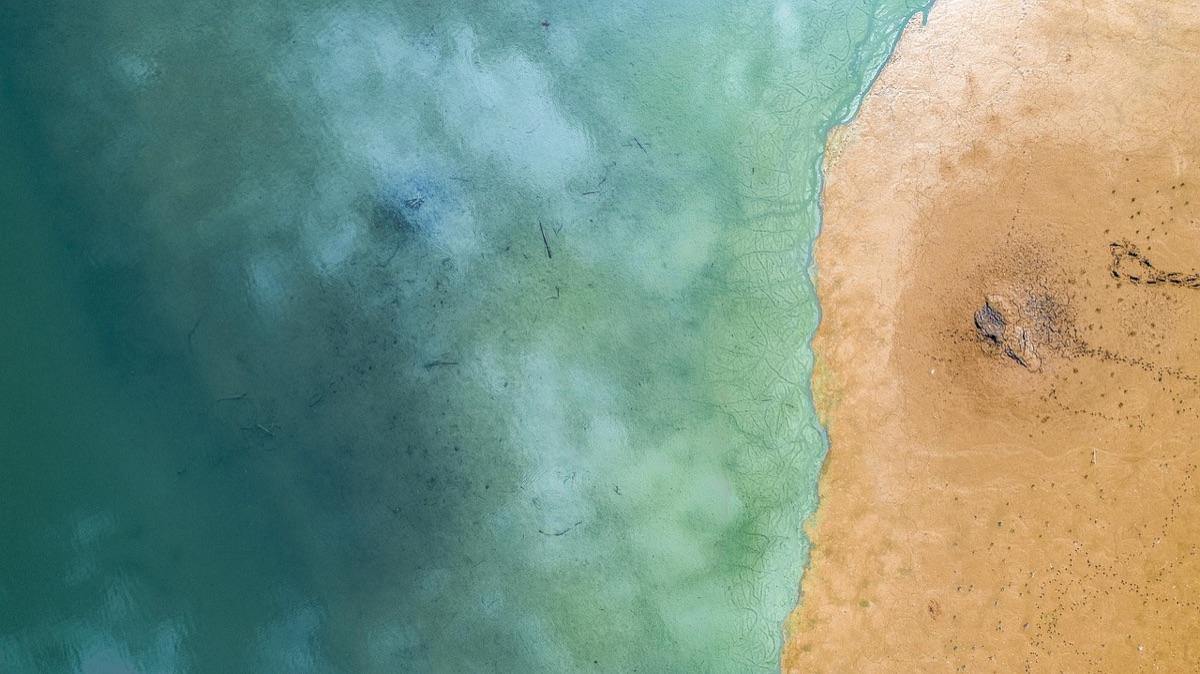
What kind of Santorini cave hotel is right for me? The sun hits the white-washed walls of Oia at 6:00 PM, turning the entire village into a glowing amber sculpture. I stood on a narrow stone path, breathing in the salt air, looking at a luxury suite carved directly into the volcanic rock. It felt less like a hotel and more like a piece of history.
The architecture of these "cave" hotels—traditionally called *yposkafa*—comes from a long history of Cycladic ingenuity. Families carved homes into the soft volcanic tuff to stay cool in the summer and warm in the winter.
Today, in 2026, these hollowed-out spaces have been transformed into high-end boutique stays. However, the transition from traditional dwelling to luxury lodging has created a wide spectrum of value.
The most important thing to understand is that not all caldera views are created equal. Some hotels are marketed as having a "Caldera View," but when you step onto the terrace, you might find yourself looking at the back of another building or a steep drop-off that cuts the horizon in half.
You must distinguish between a "Partial View," where the sea is visible but fragmented, and an "Unobstructed View," where the blue of the Aegean meets the sky without interference.
When planning your budget, you generally deal with three tiers. Entry-level boutique hotels might be located in Fira or Pyrgos, offering traditional charm at a lower price but without the direct cliffside view. Mid-range luxury often places you in Imerovigli or parts of Oia with a partial view.
The top-tier luxury is reserved for those premium suites in Oia or Akrotiri that sit directly on the cliff edge, offering total privacy and panoramic vistas.
Choosing the wrong tier can lead to "expectation gap" heartbreak—paying premium prices for a view that feels cramped or obstructed.
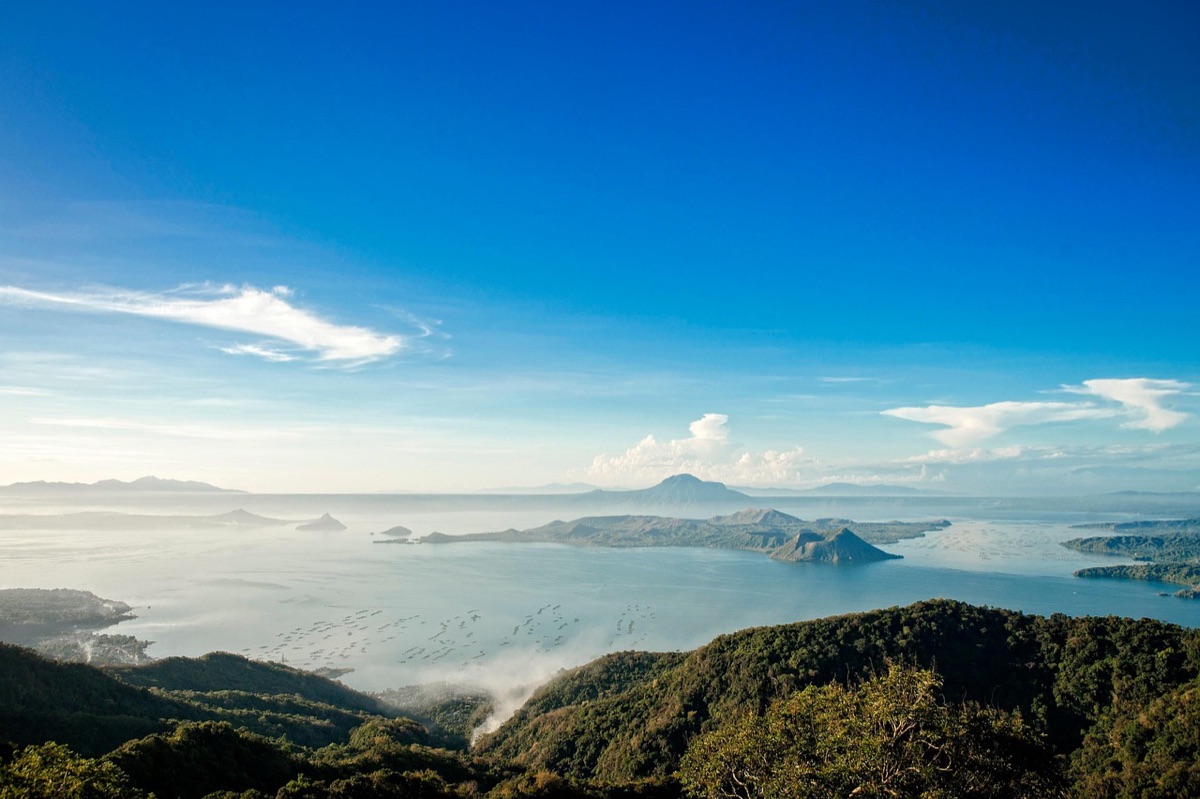
Which of these top contenders is actually the best? At dusk, I leaned against a cold stone railing in Imerovigli, squinting at the distant horizon to see if the sea was truly visible.
I remember sitting in a mid-range hotel in Imerovigli in late 2025, looking at a spreadsheet of prices versus amenities. I realized that a massive suite with a giant bed often felt hollow if the terrace was too small to actually sit on.
To make a decision, you need to look past the glossy photography. Use this comparison framework to evaluate your options:
| Feature | Luxury Cliffside Suite | Mid-Range Boutique | Budget/Town Center |
|---|---|---|---|
| View Quality | Unobstructed, panoramic | Partial or side-angle | Street view or courtyard |
| Privacy | High (isolated terraces) | Moderate (neighbors nearby) | Low (pedestrian traffic) |
| Pool Type | Private plunge pool | Shared infinity pool | No pool or small hot tub |
| Location | Prime (Oia/Imerovigli) | Central (Fira/Pyrgos) | Less central/Walking distance |
When comparing hotels, focus on these three specific pillars of value:
- Proximity to the Experience: In Oia, a hotel might be "budget-friendly" because it is a 20-minute steep walk from the sunset points. In Imerovigli, you are often closer to the scenic caldera path, which adds value to your morning walks.
- Amenity Impact: A private plunge pool is a massive luxury, but in the heat of July, a well-positioned shared infinity pool can provide 90% of the same joy for 50% of the price.
- The "Hidden Costs" Factor: Always check if breakfast is included and if there are fees for airport transfers. In Santorini, a taxi from the airport to a remote villa can be surprisingly expensive, and some luxury hotels charge premium rates for basic services like laundry or late check-outs.
The "sweet spot" for most travelers is often a mid-range boutique hotel in Imerovigli. You get a much more authentic, quiet, and high-quality view than you might get in the crowded streets of Oia, often at a significantly lower price point.
Maximizing Your Stay: Beyond the Room View
The sun began to dip lower, casting long, dramatic shadows across the caldera. I realized that the best part of my stay wasn't just the bed; it was the way the hotel layout allowed me to transition from a morning coffee to a sunset cocktail without ever leaving the terrace.
A common mistake is treating the hotel as just a place to sleep. If you are paying for a caldera view, the room is your primary attraction.
To maximize this, you need a "Sunset Strategy." If your hotel is in Oia, you might not need to join the crowds at the castle; your private terrace becomes your front-row seat.
If you are in a lower-priced area, you must plan your daily movements to ensure you aren't spending your entire vacation trekking up and down steep stairs just to see the water.
Integrating local culture also enhances the value of your stay. Instead of ordering expensive room service every night, use your hotel as a base to explore local wineries.
A bottle of Assyrtiko wine from a local producer, enjoyed on your private balcony, is often a more memorable experience than a five-course meal in a crowded restaurant.
Consider the balance between a "Staycation" and a "Day Trip." If you book a top-tier luxury suite, the hotel *is* the destination. In this case, you should spend more time enjoying the amenities.
If you are staying in a more affordable town-center hotel, treat the accommodation as a high-quality base for exploring the rest of the island, such as the red beaches of Akrotiri or the ruins of ancient Thera.
Booking Smarter: Timing and Logistics
The wind whipped through the narrow alleys of Fira in early 2026, signaling the transition from the warmth of summer to the breezy shoulder season. I looked at my calendar and realized that the price difference between August and late September was almost double.
The financial side of your decision depends entirely on timing. High season (July and August) is when prices are at their peak and crowds are at their densest. During this time, you are paying a premium for the heat and the atmosphere.
However, the "ROI" (Return on Investment) is often highest during the shoulder seasons of May and late September/early October. During these months, the weather is still pleasant, but you can often secure a luxury suite for a fraction of the peak summer price.
Here is a quick guide to timing your booking:
- Peak Season (June–August): Highest prices, highest crowds. Best for those who want the full, bustling energy of the island.
- Shoulder Season (May & September–October): Best value. Great weather, lower prices, and slightly more breathing room.
- Low Season (November–March): Lowest prices, but many hotels close, and the wind can be quite strong. Not recommended for a first-time luxury trip.
Logistics also play a role in your total cost. If you choose a hotel that is difficult to access by car or bus, you will likely rely on expensive private transfers or taxis. When looking at a hotel's location, check the walking distance to the nearest main road or ferry port.
A "cheap" hotel that requires a $50 taxi ride every time you want to go to dinner can quickly become more expensive than a premium hotel in a central location.



Comments 0