90 Mins Early: Capturing Santorini's Golden Hour Perfection
"The sun doesn't just set in Oia; it performs a masterpiece that changes the very color of the world."
If you are looking for that specific, soul-stirring moment where the white walls turn gold and the Aegean Sea turns violet, you have come to the right place. This guide will help you navigate the winding paths of Oia to ensure you aren't just a spectator in a crowd, but a participant in the magic.
Key Takeaways * Timing is everything: Arrive at your chosen viewpoint at least 90 minutes before sunset to secure a spot and catch the transition of light. * Oia vs. Fira: Choose Oia for romantic, high-end sunset drama; choose Fira for central energy and easier transport links.
* Photography Strategy: Use the blue domes as framing elements and aim for the "blue hour" immediately after sunset for soft, ethereal portraits. * Logistics: Prepare for steep walking and uneven cobblestones; comfortable footwear is non-negotiable for navigating the caldera edge.
Why Oia? Mastering the Art of the Santorini Sunset
The sun begins to dip toward the horizon, casting long, dramatic shadows across the whitewashed cliffs of the caldera. You stand on a narrow stone ledge, the salt air hitting your face, watching as the sky shifts from a bright azure to a bruised, beautiful orange.
The setting is nothing short of geological theater. Officially known as Thira or Thera, Santorini is a volcanic island in the southern Aegean Sea, located approximately 120 miles southeast of the Greek mainland. In the summer of 2026, the heat remains a palpable force against the stone.
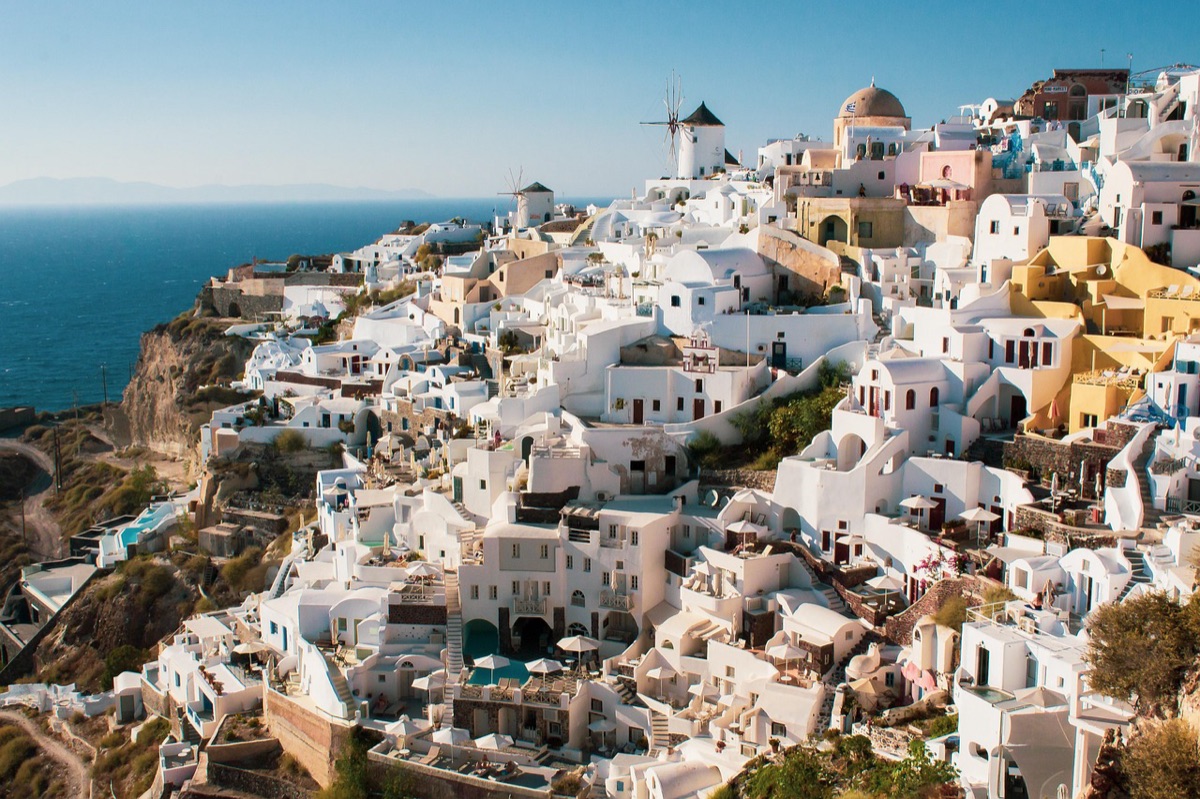
This unique volcanic history created the massive caldera—the crescent-shaped bay—that provides the breathtaking backdrop for Oia. Because the village sits on the highest northern tip of the caldera rim, it offers a direct, unobstructed line of sight to the sun as it sinks into the sea.
To truly experience this, you must master the "Golden Hour Strategy." Most travelers arrive too late, fighting through a surge of cruise ship passengers just as the sun disappears. To beat the rush, aim to arrive at your specific viewpoint 90 minutes before the official sunset time.
This allows you to find a seat, settle your camera gear, and witness the transition from harsh daylight to the soft, honey-colored glow that makes the white architecture pop.
When I first attempted this in late 2025, I learned that arriving at 6:30 PM for a 7:45 PM sunset was the only way to actually breathe.
While the crowds can be intense, the trade-off is the sheer scale of the view. By understanding that the "sunset" is a process rather than a single moment, you can navigate the crowds by moving slightly away from the main castle ruins to quieter, side-street overlooks.
But finding the right angle is only half the battle.
Your Ultimate Photo Ops: Securing the "Insta-Worthy" Shot
A group of travelers huddles around a tiny blue dome, their cameras poised like hunters waiting for a shot. One person steps back, adjusting a tripod, while another leans against a whitewashed wall to catch the light hitting their face.
To get that legendary shot, you need to know exactly where to stand. Here are five specific types of spots within Oia that deliver consistent results:
- The Iconic Blue Domes: Located in the upper reaches of the village, these domes provide the classic "Santorini" look. Use the blue of the dome to contrast against the white walls.
- The Windmills of Oia: These structures offer a sense of scale and historical texture, perfect for wide-angle shots of the village architecture.
- The Narrow Alleyways: Look for spots where two whitewashed walls meet at a sharp angle; these create natural leading lines that draw the eye toward the sea.
- The Byzantine Castle Ruins: This is the most popular spot, offering a panoramic view of the entire caldera, though it requires the most patience with crowds.
- The Cliffside Path to Ammoudi: For a shot that includes the sea rising up to meet the village, head toward the lower paths that lead toward the water.
For a professional-looking sequence, follow this timeline: * Pre-Sunset Shot: Capture the bright, high-contrast colors of the white buildings and blue domes while the sun is still high.
* Sunset Peak: The sun will be a bright orb; use this time to capture the dramatic shadows on the cliffs. * Post-Sunset Afterglow: Often called the "blue hour," this is when the sky turns deep indigo and the village lights begin to twinkle.
This is the best time for soft, romantic portraits.
Avoid shooting in the harsh midday sun if you want flattering portraits; the shadows will be too deep and the whites too blinding. Instead, use the late afternoon light to wrap around your subjects. However, choosing where to sleep is a different kind of challenge entirely.
Oia vs. Fira: Where Should You Base Your Stay?
You stand at a crossroads in a bustling plaza, looking at a map. To your left, the path leads to a quiet, luxury villa overlooking the sea; to your right, a busy street hums with the sound of scooters and local shops.
The debate between Oia and Fira is the most common dilemma for travelers. To make the right choice, you must understand the "vibe" of each location.
| Feature | Oia | Fira |
|---|---|---|
| Primary Vibe | Romantic, luxury, quiet evenings | Energetic, central, bustling |
| Best For | Honeymooners & photography enthusiasts | First-timers & social travelers |
| Sunset View | World-class, direct caldera view | Beautiful, but more of a "town" feel |
| Accessibility | Higher prices, harder to reach by ferry | Central hub for all island transport |
If your goal is deep exploration and you want to be in the heart of the action, Fira is the better choice. It is the administrative and transport hub of the island, making it much easier to catch buses to other villages or the port.
In 2026, the transit links from Fira remain the most reliable way to move across the caldera.
However, if your primary motivation is the legendary sunset and a sense of romantic isolation, Oia is worth the premium price and the extra travel time.
Think of it this way: If you want to wake up to the ultimate view and spend your days wandering through a living postcard, stay in Oia. If you want to be able to jump on a bus to explore the rest of the island easily, stay in Fira. But what do you do during the daylight hours?
Beyond the View: Making the Most of Your Day Trip
A morning boat approaches the pier, its wake creating white foam against the deep blue water. Travelers are loading gear, preparing for a day that promises both adventure and relaxation.
A visit to Oia shouldn't just be about sitting on a wall waiting for the sun to go down. To maximize your time, treat it as a structured journey. A perfect day-trip flow might look like this:
- Morning Activity: Start your day away from the heat. Consider a morning boat tour to see the caldera from the water or a visit to the Akrotiri archaeological site to see the "Minoan Pompeii."
- Midday Retreat: When the sun is at its peak, head to a shaded cafe or a local beach for a swim. The heat in the afternoon can be intense on the stone paths.
- The Sunset Ritual: Return to Oia in the late afternoon. This is when you transition from "tourist" to "observer," setting up your spot and enjoying the slow transition of light.
Regarding logistics, remember that Oia is a walking village. There are very few cars in the narrowest streets. If you are traveling with heavy luggage, arrange a transfer from your hotel or stay in a central location.
While rental cars or ATVs are great for exploring the rest of the island, they can be difficult to park in Oia. In my experience, trying to navigate a rental scooter through the narrowest alleys of Oia is a recipe for a very expensive scratch.
While you plan your route, you must also plan your appetite.
Dining & Sundowners: Fueling Your Aegean Adventure
The clink of wine glasses and the smell of grilled octopus fill the air as the first stars appear. A waiter carefully sets a plate of fresh seafood on a table perched precariously on a stone terrace overlooking the darkening sea.
Dining in Oia is an experience designed to complement the view. Because of the popularity of the sunset, booking a table at a caldera-view restaurant is essential. If you do not have a reservation, you may find yourself eating in a crowded side street rather than at a prime viewpoint.
When dining, look for local specialties to ground your luxury experience in authentic Greek flavor. Pair a crisp, local Assyrtiko white wine—which is grown in the volcanic soil of the island—with grilled seafood or fresh Greek salads.
If you are looking to balance your budget, remember that you do not need to eat at a $300-a-plate restaurant to enjoy the view. Many smaller tavernas located slightly further from the water or in the lower parts of the village offer incredible food at much more reasonable prices.
#



Comments 0