Visit Santorini: Navigating Costs, Attire, and Local Customs
"The blue domes of Oia are beautiful, but the price of that view can be a shock if you aren't prepared."
Planning a trip to Santorini is often a dream of white-washed walls and endless blue, but the reality of the Cycladic economy can catch even the most seasoned travelers off guard. To enjoy the caldera without breaking the bank, you need to understand the specific economics of the island.
Key Takeaways: * Budgeting is crucial: High-end experiences require upfront planning regarding dining and lodging. * Dress codes vary by activity: Pack for both rugged cobblestone streets and elegant sunset dinners.
* Respect the local rhythm: Understand the difference between tourist hubs and authentic village life.
Navigating the Santorini Price Tag: Where Your Money Goes
I stood on a narrow stone path in Imerovigli last July, looking down at the caldera, and realized that every single view had a price tag attached to it. In Santorini, you aren't just paying for a room; you are paying for a specific vantage point of the volcanic crater.
According to World Bank data, Greece recorded a GDP per capita of US$26,948 in 2025.
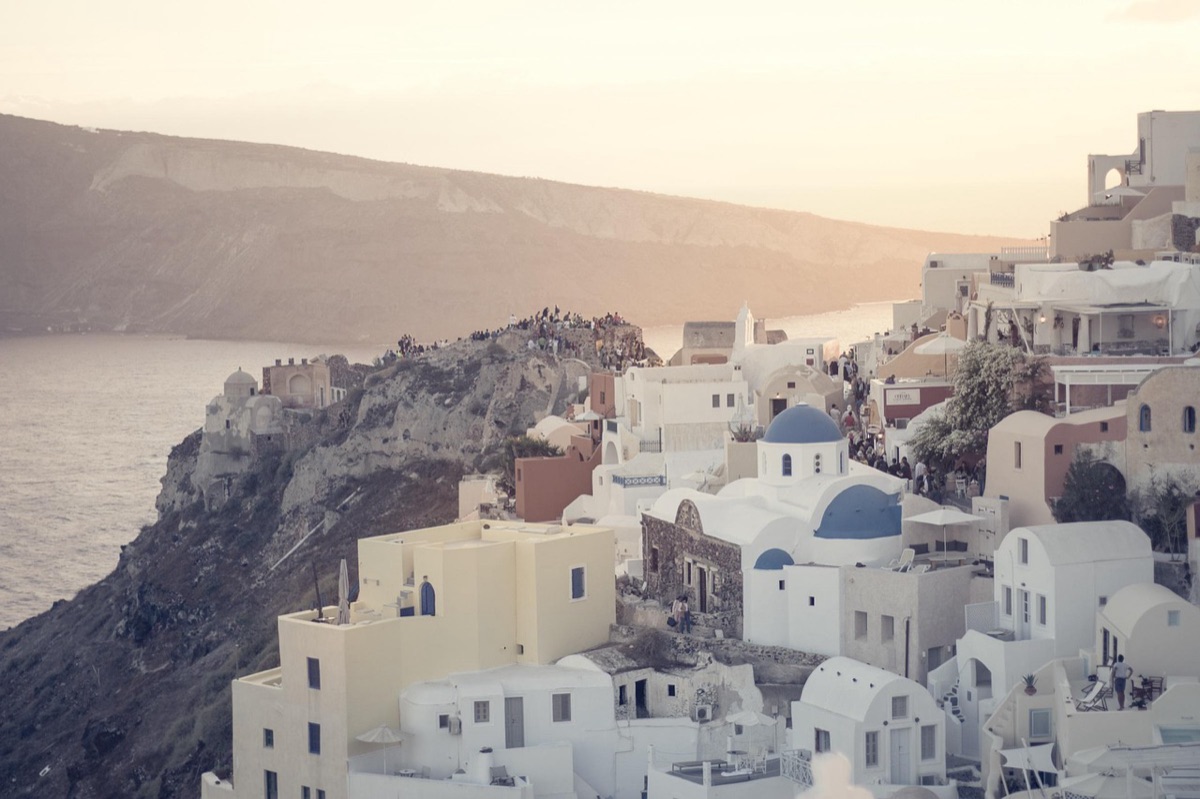
The accommodation spectrum is the biggest factor in your budget. A "high-end" cave hotel in Oia or Imerovigli, where you can step directly from your bed to a private plunge pool overlooking the volcano, can cost several thousand dollars per night during peak season.
In contrast, mid-range cave hotels in villages like Pyrgos or Emporio offer much more value, providing that traditional Cycladic architecture at a fraction of the price.
Dining dynamics follow a similar pattern. A sunset dinner at a caldera-view restaurant in Oia is a premium experience, often involving tasting menus that can reach significant heights.
However, if you head inland to local tavernas in villages like Megalochori, you can find authentic Greek meals—like fresh grilled octopus or moussaka—at much more reasonable prices.
Activity costs also fluctuate wildly. A private catamaran cruise through the caldera is a bucket-list item but represents a major investment. On the other hand, exploring the Akrotiri archaeological site or hiking the trail from Fira to Oia provides immense value for a much lower cost.
Logistics can also eat into your budget. While flying into the island is faster, many travelers opt for the ferry from Athens to save money.
Navigating between villages often requires renting an ATV or a small car, so factor in fuel and rental fees when calculating your daily spend.
| Expense Category | High-End/Luxury | Mid-Range/Local |
|---|---|---|
| Accommodation | Private Villa/Luxury Cave Hotel | Boutique Guesthouse/Village Hotel |
| Dining | Fine Dining/Sunset Tasting Menus | Local Tavernas/Village Cafes |
| Transport | Private Transfers/Luxury Car Rental | Local Bus/ATV/Walking |
| Activities | Private Yacht/Helicopter Tours | Group Cruises/Hiking/Walking Tours |
Dressing for the Aegean: What to Wear, When, and Why
I remember walking through the winding alleys of Fira in a pair of stylish but thin-soled sandals, only to realize halfway up a steep staircase that I had made a tactical error. The terrain in Santorini is beautiful but unforgiving.
The "Golden Hour" look is a staple of Santorini photography. For sunset viewing, many travelers opt for breezy linen dresses or light button-down shirts that catch the wind. However, you must balance aesthetics with practicality. The cobblestone paths are uneven, slippery, and often quite steep.
High heels are generally a bad idea for exploring the villages; stick to stylish flats, wedges, or sturdy sandals.
There is a noticeable difference between village and beach attire. In high-end caldera restaurants, a "smart casual" look is expected—think elegant summer wear. In more casual areas like the seaside in Perissa or Kamari, swimwear and cover-ups are perfectly acceptable.
When you move into the heart of a village or visit a local church or monastery, it is important to dress modestly. Covering shoulders and knees is a sign of respect in religious sites.
Layering is your best friend. While the midday sun can be intense, the temperature drops significantly once the sun dips below the horizon. The Aegean breeze can be quite cool in the evenings, so always have a light cardigan, a denim jacket, or a pashmina ready for your evening walks.
Local Rhythm & Etiquette: Beyond the Postcard View
Walking through the quiet streets of Emporio at dusk, I noticed how the rhythm of life changed entirely once the cruise ship crowds vanished. The island has a pulse that is different from the high-energy tourist zones.
Understanding the Cycladic pace of life is essential. In the tourist hubs, everything feels rushed, but in the local villages, life moves much slower. Do not expect immediate service in a quiet village cafe; locals take their time, and you should too.
Pushing for a faster pace can come across as rude.
Interactions with non-tourist locals should be handled with courtesy. In smaller villages, you might find yourself dining near residents who are following their own daily routines. Being mindful of noise levels and respecting their space is key.
In many Greek towns, dining is a social, lingering affair. Do not feel rushed to leave your table immediately after finishing your meal.
Navigating crowds requires strategy. Popular spots like the Oia windmills or the blue domes are often packed during the day. To experience the magic without the elbow-to-elbow contact, aim for very early morning visits or late afternoon.
In Fira, the midday heat and crowds can be overwhelming, so plan your heavy walking for the cooler parts of the day.
Finally, show respect for the unique volcanic ecosystem. Santorini is a sensitive environment. Avoid littering, stick to marked paths to prevent erosion, and be mindful of the natural beauty that makes the island so special.
Mastering the Santorini Experience: Pro-Tips for Tourists
I once spent an entire afternoon sitting in a small winery in Pyrgos, realizing that the best parts of travel often happen when you stop rushing to the next "famous" spot.
To maximize your visit, you must balance "must-do" activities with "nice-to-do" experiences. While the sunset in Oia is legendary, don't skip the opportunity for a local wine tasting. The Assyrtiko grapes grown in this volcanic soil produce some of the most unique wines in the world.
Booking strategy is vital for a smooth trip. If a caldera view is a priority, book your accommodation months in advance. However, you don't necessarily need to book every single meal; some of the best dining experiences come from spontaneous discoveries in side streets.
For those looking to see more, consider day-trip planning. You can integrate Santorini with nearby islands like Naxos or Milos via ferry, but don't feel pressured to do so. Many travelers find that spending more time deep-diving into Santorini itself provides a much richer experience.
A final safety note: always respect the caldera edge. The cliffs are steep and can be unstable in certain areas. Never cross ropes or barriers for a better photo. The view is spectacular, but the terrain is unpredictable.




Comments 0