Santorini shoot tips: Master high-contrast lighting guide
Capturing the perfect shot in the Aegean requires more than just a camera; it requires timing, location awareness, and an understanding of the island's unique light. This guide provides essential Santorini shoot tips to help you navigate crowded streets and golden hour windows effectively. You will learn about timing, location selection, and gear management to ensure your travel photos look professional.
How to master Santorini shoot tips?
A traveler stands on a narrow cobblestone path in Oia, squinting against the bright midday sun reflecting off white-washed walls. To get the best results, you must balance technical settings with the natural environment of the Cyclades.

According to World Bank data, Greece recorded international tourist arrivals of 7,406,000 in 2020.
The primary goal is to manage high-contrast lighting and heavy crowds. Because the white buildings reflect intense sunlight, shadows can become harsh and details in the bright areas can disappear.
Successful photographers often wait for the soft light of dawn or the warm glow of dusk to capture the blue domes and caldera views without overwhelming highlights.
Effective Santorini shoot tips involve planning your route to avoid the peak midday heat and the largest crowds. By moving through the villages during early morning or late afternoon, you gain access to cleaner shots and much more manageable foot traffic.
This strategy allows for more creative freedom when framing subjects against the sea.
- Pack lightweight, versatile gear to handle steep stairs and narrow paths.
- Utilize the golden hour to capture soft, flattering light against the white architecture.
- Master manual settings to balance the bright Aegean sun with deep shadows.
When is the best time to take photos in Santorini?
As the sun rises over the caldera, the photographer feels the cool morning breeze while adjusting the lens to capture the gold light of santorini. The sun begins to crest over the volcanic cliffs, casting a soft, pink hue across the caldera as a photographer adjusts a tripod.
In the afternoon, the light becomes warmer, which is ideal for skin tones and architectural textures.
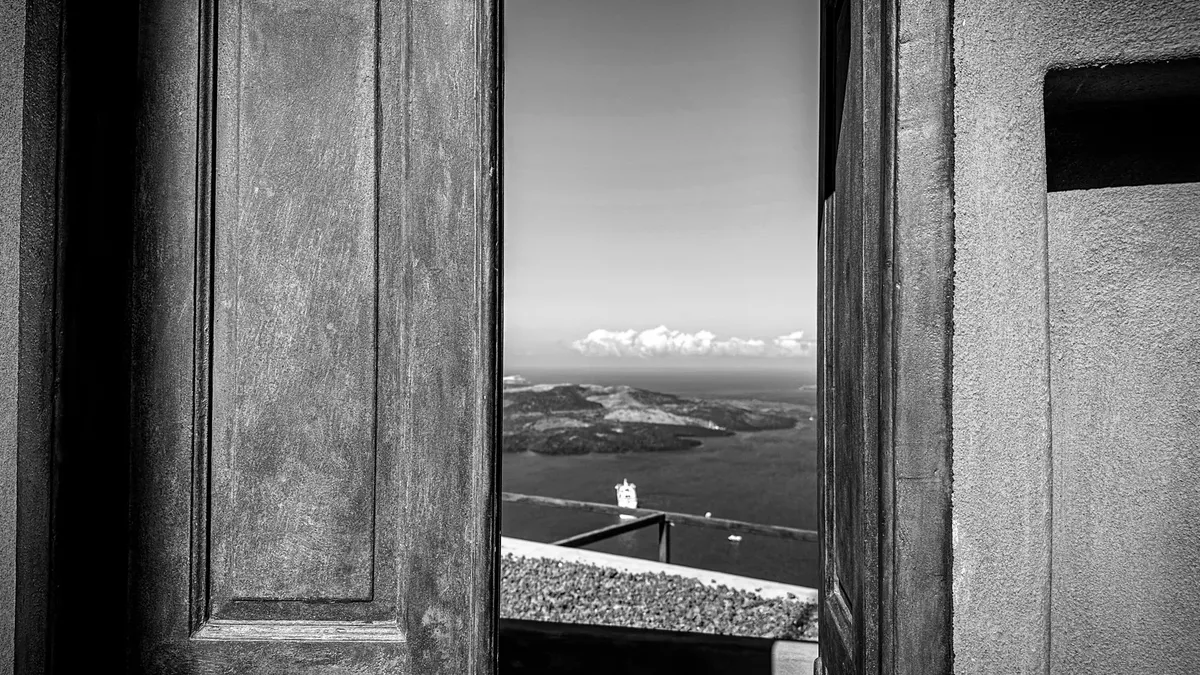
A well-planned Santorini photo guide suggests arriving at popular spots like the blue domes at sunrise. This timing prevents the subjects from being obscured by other tourists and provides a clean background.
Planning your schedule around the sun's movement ensures that you capture the specific moods you desire.
The best time to shoot is during the early morning or late afternoon to avoid harsh midday sun and heavy crowds.
Where are the best places to take photos? A photographer walks through a narrow alleyway in Fira, looking for the perfect angle that captures both a blue dome and the distant sea. Finding the best shot locations requires a mix of scouting and spontaneity.
Popular spots offer iconic views, but finding unique angles often requires stepping slightly away from the main tourist paths.
Using these best shot locations effectively means understanding the relationship between the foreground and the background. You can use local architecture, such as a colorful door or a stone staircase, to frame the distant sea. This layering adds depth to your images and makes them more engaging.
Iconic spots include the blue-domed churches in Oia, the caldera views in Fira, and the unique red sands of Akrotiri.
How to use local shoot advice for better results?
A person holds a camera steady while standing on a terrace, carefully composing a shot of a white windmill against the blue sky. Following local shoot advice can save you from common mistakes made by visiting travelers.
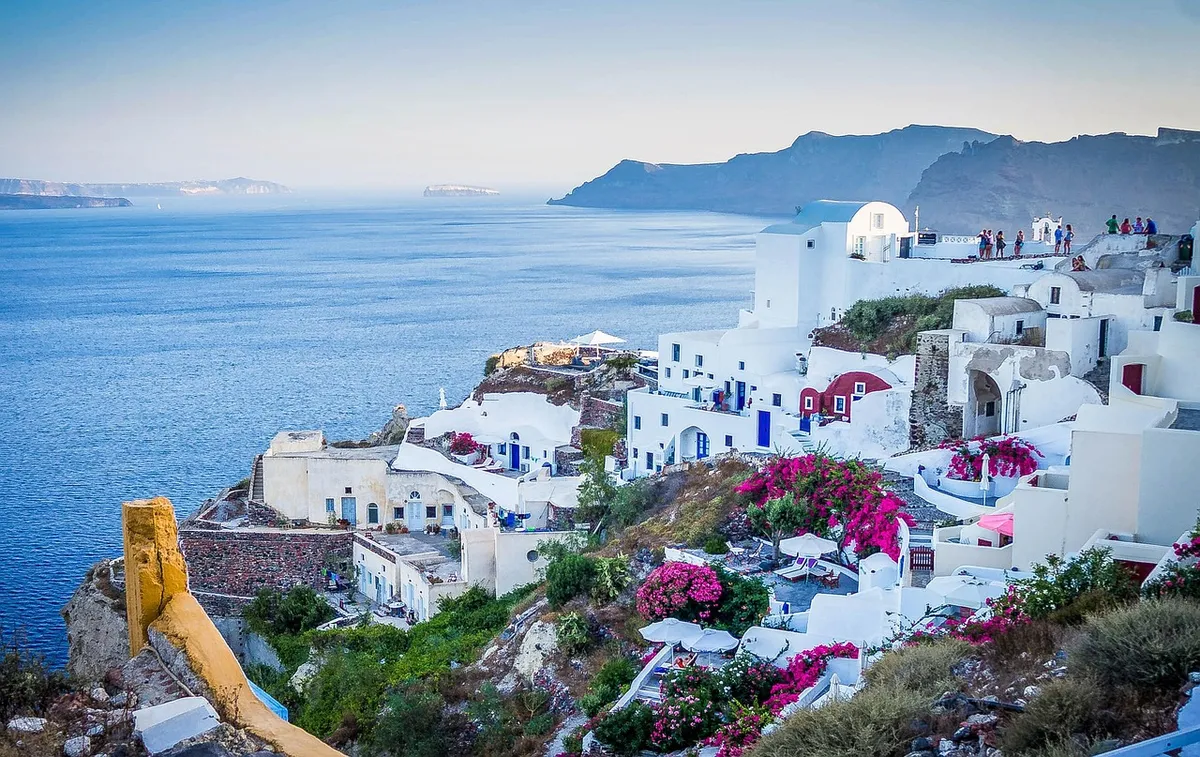
One common mistake is attempting to shoot in direct midday sun, which creates unflattering shadows. Instead, seek out shaded areas or use the natural architecture to provide soft, diffused lighting. It is also helpful to learn how the light hits specific villages at different times of the year.
Integrating local shoot advice helps you prepare for the terrain and the wind. Many paths are steep and uneven, so stability is key for any handheld photography. Understanding the local rhythm of life also helps you capture candid, authentic moments without disturbing the local atmosphere.
Listen to local photographers regarding wind patterns and the best paths to avoid the heaviest tourist traffic.
Can you apply these to a Santorini photography guide?
The photographer checks the exposure levels on a digital screen while sitting on a stone wall overlooking the caldera. A comprehensive Santorini photography guide should address both the technical and the practical aspects of island life.
For a successful shoot, you should focus on three main steps: 1. Monitor your exposure to handle the extreme brightness of the white buildings. 2. Use a wide-angle lens for sweeping landscapes and a prime lens for portraits. 3.
Carry extra batteries and storage, as the bright environment can lead to many test shots.
Always perform a final check of your composition before clicking the shutter. I found that checking the edges of the frame for distracting tourists or stray objects made a significant difference in my final images.
A complete Santorini photography guide should always include a final check of your equipment and settings before you head out.
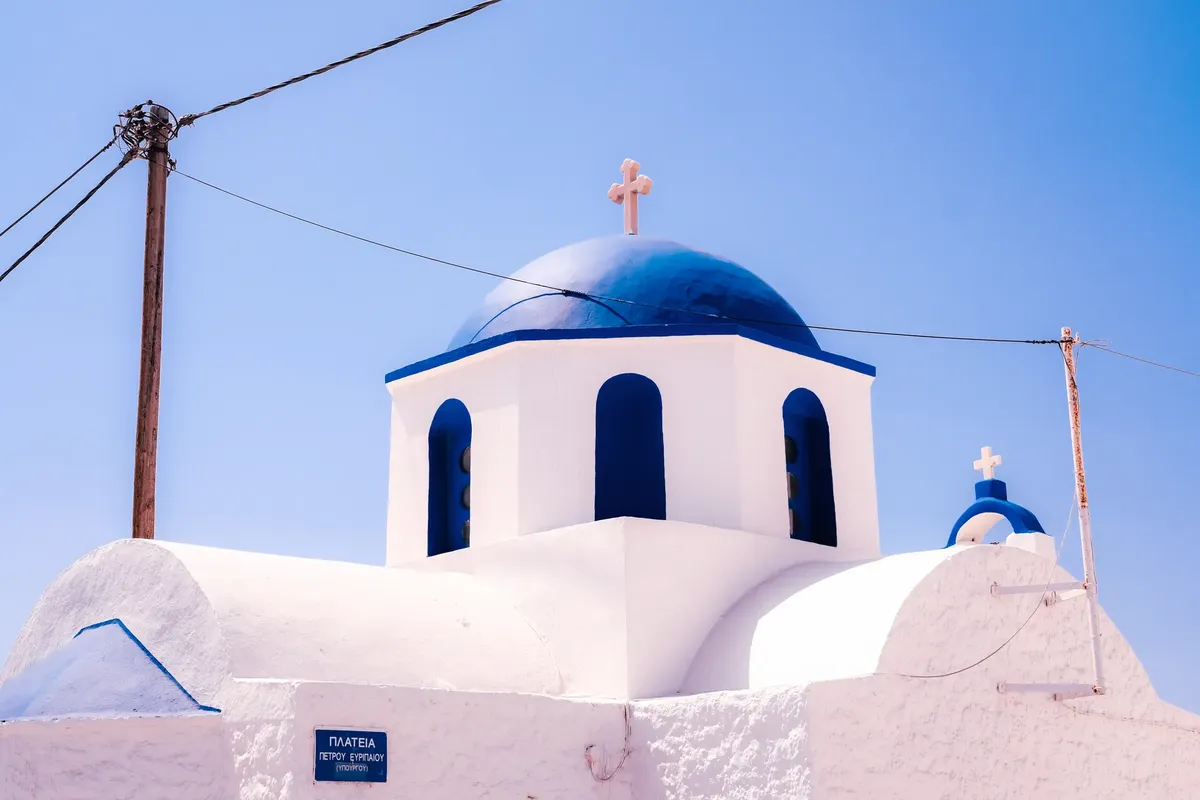
These practical techniques serve as a foundational framework for any comprehensive Santorini photography guide.
What are the limitations of these tips?
A photographer looks at a shot that is slightly overexposed due to the intense Greek sun. One limitation is that these tips may not account for sudden weather changes or extreme wind conditions on the cliffs.
While these methods work well in clear weather, heavy clouds or high winds can change the photography dynamic entirely. These tips are intended for standard clear-sky conditions and may need adjustment during the rainy season.
These tips cannot account for unpredictable weather changes or sudden shifts in crowd density.
Related
- Santorini food vs Gyros: 270 mm A local to island flavors
- Santorini character content tips: 200 km Aegean setting
Navigating the Aegean Light Dynamics?
The Aegean light presents a constant challenge to the photographer seeking the perfect shot. The intense reflection off the whitewashed surfaces dictates how quickly technical settings must adapt to the environment.
Capturing the perfect shot means recognizing that the quality of the light changes dramatically between dawn and high noon. The midday sun, while powerful, compresses the scene into high contrast, making subtle adjustments difficult.
Conversely, the diffused quality of the early morning or late afternoon sun allows for greater tonal range across the frame. This softer illumination allows the photographer to render the textures of the caldera and the depth of the blue domes with greater fidelity.
Mastering this transition is key to achieving professional-grade images of the island.
Beyond the Viewpoint: Compositional Considerations?
While the views are globally famous, the composition dictates whether a photograph is merely a postcard reproduction or a compelling piece of art. A successful composition integrates the immediate surroundings with the distant vista.
Using foreground elements, such as the local architecture or cobblestone paths, grounds the image and provides context for the sweeping background of the sea. This deliberate inclusion adds narrative weight to the visual experience.
Achieving the perfect shot often involves guiding the viewer's eye through the frame.
This thoughtful arrangement elevates the photograph beyond a simple documentation of a beautiful place.

Comments 0