Santorini food vs Gyros: 270 mm A local to island flavors
"The flavors of the Aegean are shaped by volcanic soil and ancient traditions, offering a sharp contrast to the fast-paced street food found in larger cities."
Understanding the nuances of Santorini food vs Gyros requires looking at the island's unique agricultural constraints and traditional culinary roots.
This guide explores the distinction between local island specialties and popular Greek street food, highlighting why yields differ from mainland regions.
You will learn about the specific environmental factors of the southern Aegean, the characteristics of traditional beverages, and how to distinguish authentic local flavors from common tourist fare.
How do we understand the Santorini food vs Gyros distinction?

As the sun sets over the caldera, I taste the difference between a greasy street wrap and the earthy, volcanic notes of authentic santorini food.
Walking through a whitewashed village, one might see a vendor slicing meat for a wrap while another serves a plate of slow-cooked vegetables. The primary difference lies in the origin and preparation of these meals.
While gyros are a ubiquitous, fast-paced street food, the local cuisine is deeply tied to the specific volcanic environment of the island.
Understanding the difference in local food requires recognizing that island specialties often rely on unique, small-scale harvests. This makes the culinary experience more about the land than the rapid service of meat-heavy wraps. The island's environment dictates much of what reaches the plate.
The southern Aegean climate creates a specific context for food production. For example, the island has an average annual precipitation of around 270 mm (11 in) and an average annual temperature of around 19 °C (66 °F). These conditions favor specific crops over others.
While gyros represent a beloved street food staple found throughout Greece, Santorini food encompasses a much broader culinary identity rooted in the island's volcanic terroir and unique agricultural history.
What are the unique Santorini food styles?
A farmer carefully tends to a small patch of vines under the intense sun. When exploring unique Santorini food styles, one must consider the limited agricultural output compared to much larger farming regions. The volcanic soil and arid climate produce intense flavors but limited quantities.
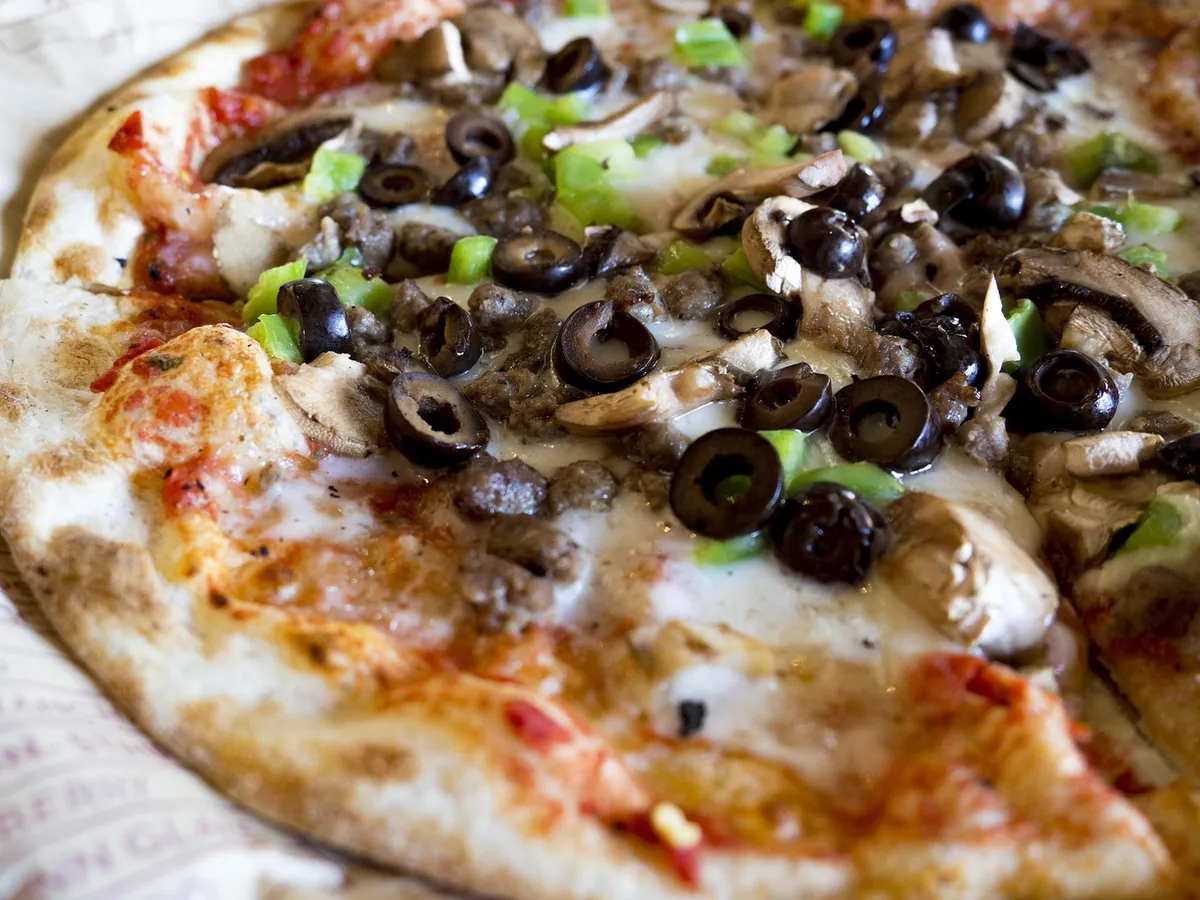
The yield per hectare is only 10 to 20% of the yields that are common in France or California. This scarcity means that local dishes often focus on high-quality, concentrated ingredients rather than mass production. This makes every meal a reflection of the island's limited resources.
While gyros are delicious, they do not represent the traditional agricultural heritage of the island. Comparing local food and gyros shows that the former is often a seasonal expression of the land, whereas the latter is a standardized meal. The distinction is one of tradition versus convenience.
The island's culinary style is defined by high-acid tomatoes, creamy white eggplants, and salt-tolerant crops that thrive in volcanic soil, creating flavors distinct from mainland Greek cuisine.
According to World Bank, the 2024 record includes 38.9%.
How does the environment shape the Santorini local food guide?
A traveler sits at a seaside table, noticing how the dry air affects the freshness of the meal. A comprehensive Santorini local food guide must account for the geographical reality of being an island in the southern Aegean Sea.
According to World Bank data, Greece recorded an agricultural land share of 38.9% in 2024.
Located about 200 km (120 mi) southeast from the mainland, the island's isolation has preserved distinct culinary habits.
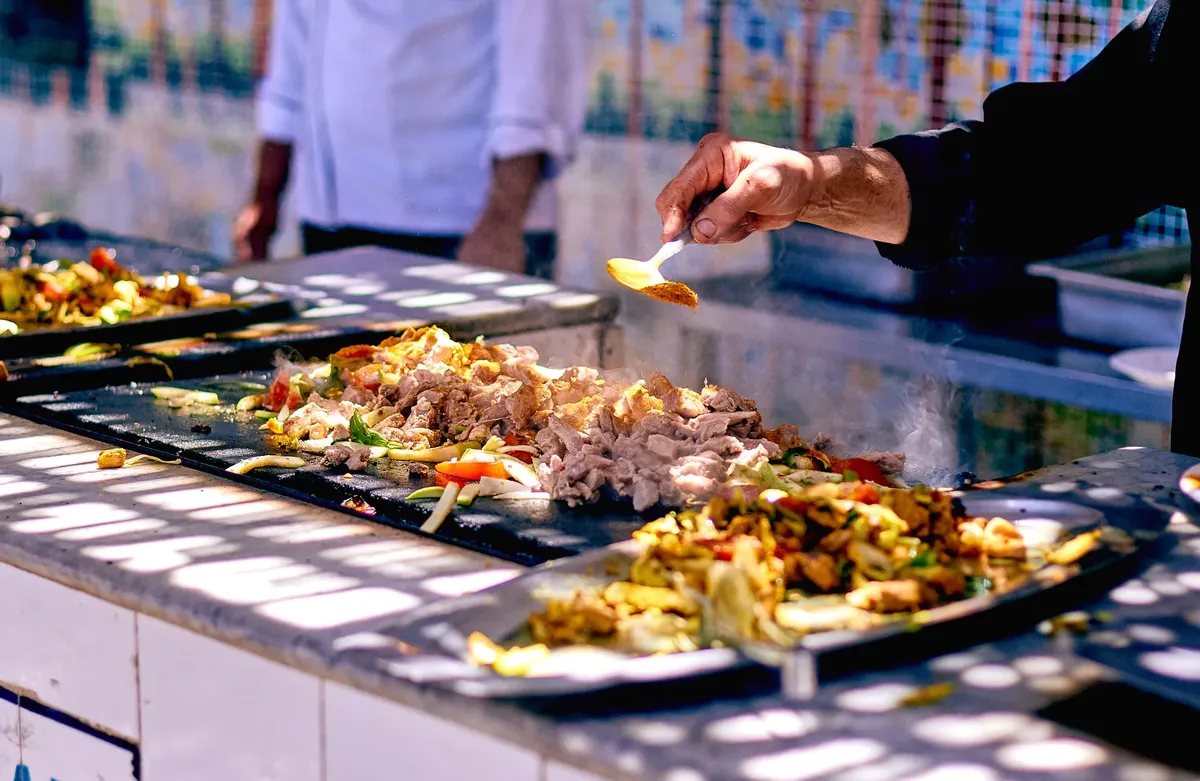
The specific environmental constraints play a major role in what is available to eat. Because the land is not as fertile as mainland regions, the food is often much more precious. This scarcity drives the need to use every part of the harvest effectively.
The lack of abundant water and the specific temperature ranges influence the types of produce that can thrive. These factors ensure that the flavors remain distinct from the more common mainland dishes.
The rugged volcanic landscape and limited freshwater resources have forced locals to master dry-farming techniques, resulting in highly concentrated and flavorful produce.
What are the specific Santorini cuisine vs Gyros characteristics?
A chef prepares a traditional dish using ingredients that have been used for generations. When evaluating Santorini cuisine vs gyros, the distinction is between the specialized, land-based ingredients and the meat-centric, widely available wraps.
One is a celebration of the island's unique terroir, while the other is a popular culinary staple.
The Mediterranean diet on the island is often shaped by what can be grown in volcanic soil. This often results in more vegetable-forward or specialized seafood dishes. In contrast, gyros are a portable, meat-heavy option designed for quick consumption.
One might find that the most authentic meals are those that utilize the limited yields of the island. These dishes are often higher in intensity due to the concentrated nutrients in the soil.
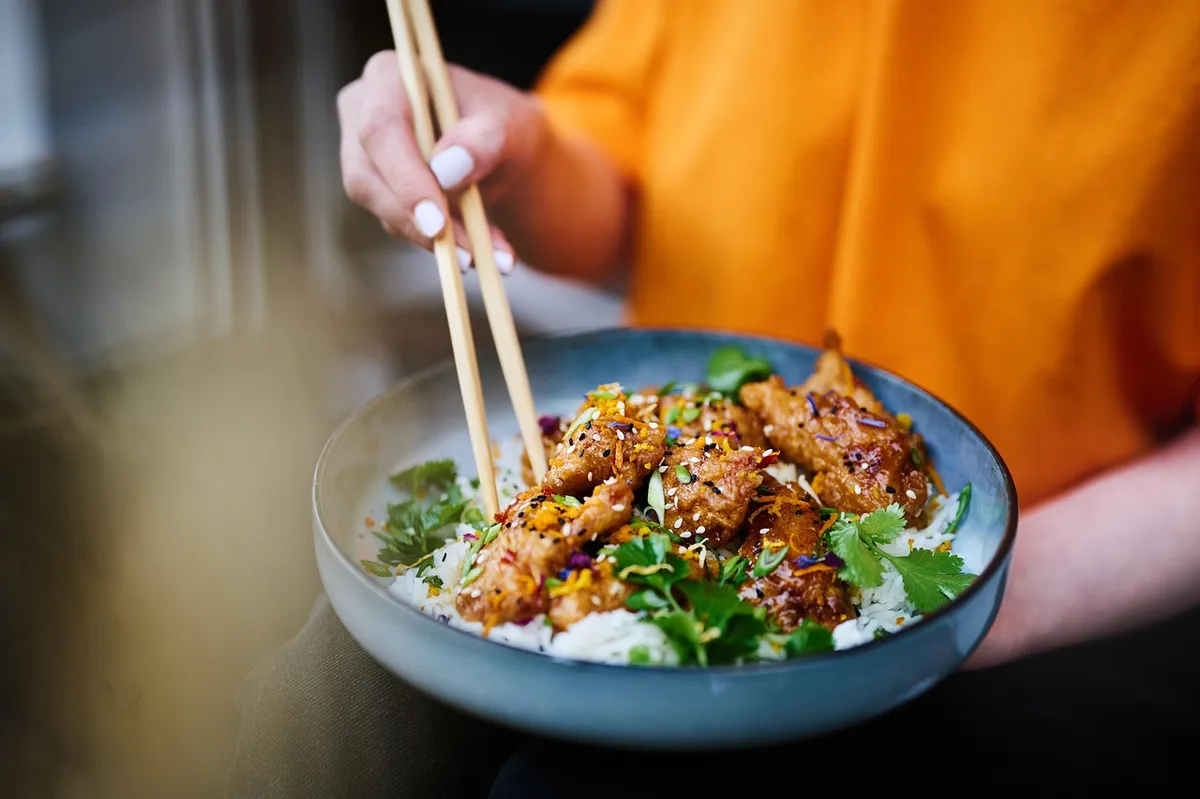
Gyros are typically fast-paced, meat-centric meals served in pita, whereas authentic Santorini cuisine focuses on seasonal vegetable-forward dishes and slow-cooked specialties like tomato fritters.
What is the role of traditional drinks in the local food?
A glass of wine is poured, its color catching the afternoon light. Beyond the food, the beverage culture is a vital part of the culinary identity.
According to the European Union, the name "retsina" is treated as a protected designation of origin and traditional appellation for Greece and parts of the southern regions of Cyprus.
For instance, the European Union treats the name "retsina" as a protected designation of origin and traditional appellation for Greece and parts of the southern regions of Cyprus.
This protection ensures that traditional names are tied to specific regional methods. This level of regulation helps maintain the identity of the flavors as travelers move between the islands.
The history of these drinks is as much a part of the meal as the food itself. They provide a liquid connection to the history of the Aegean.
Local wines, particularly those made from Assyrtiko grapes, provide a crisp acidity that perfectly balances the rich, savory flavors of the island's traditional dishes.
How to identify authentic meals while traveling?
A traveler looks closely at a menu, searching for ingredients that reflect the local landscape. To navigate a menu effectively, follow these three steps:
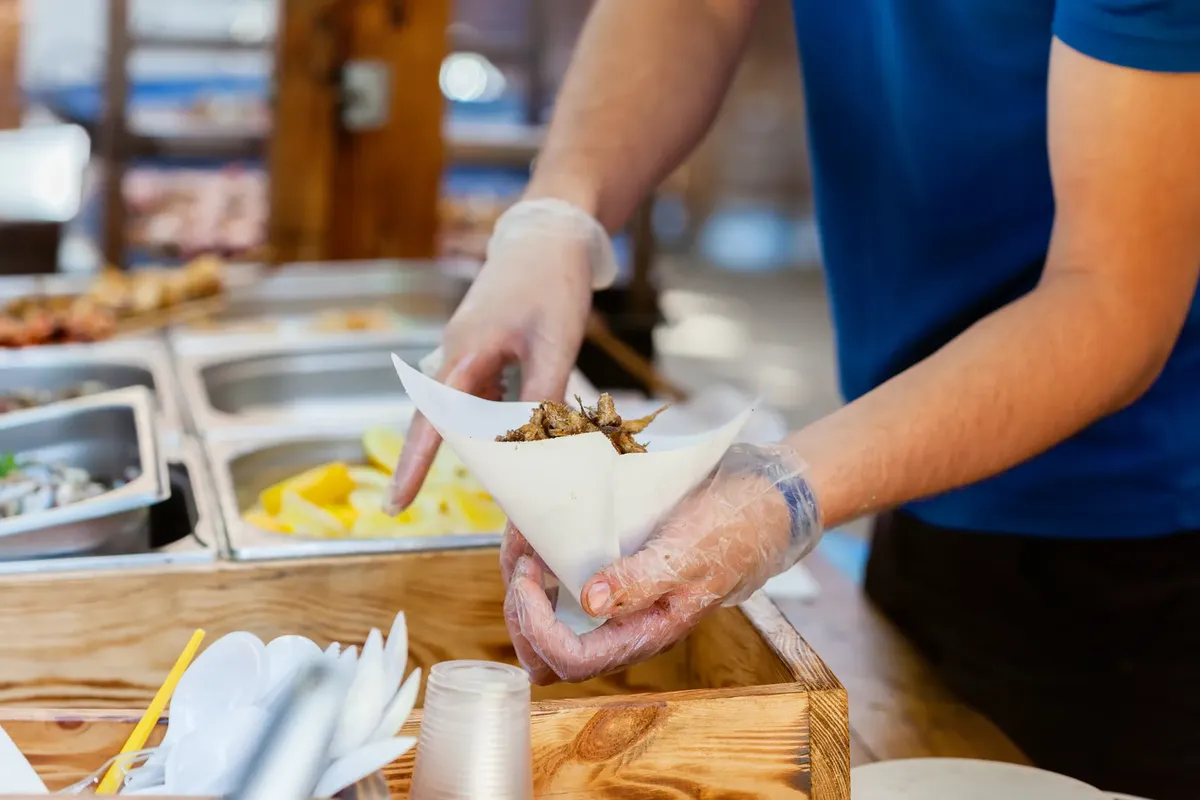
- Look for ingredients that reflect the specific volcanic soil and low-yield environment. 2. Prioritize dishes that use seasonal produce rather than standardized, mass-produced ingredients. 3. Check if traditional names or designations are used to indicate authentic regional products.
After selecting a dish, perform a final check by considering how the ingredients might be affected by the island's unique climate and scarcity.
I found that comparing the intensity of local produce to the more common meat wraps helped me understand the true value of the island's harvests.
A limitation of this comparison is that the specific agricultural yields provided do not account for the entire scope of Greek food production, but rather focus on the specific constraints of the island.
- Look for menus that prioritize seasonal ingredients over a wide variety of meat options.
- Seek out tavernas that feature local specialties like fava or tomato geftedes.
- Observe if the ingredients reflect the volcanic terroir of the Cyclades.
Related




Comments 0