How does the scale of the Aegean affect the visit?: 200 km
"The blue domes and steep cliffs of the Aegean offer a timeless vista, yet timing your visit is the key to capturing the island's true essence."
A Santorini cruise 1 night 2 day itinerary requires balancing scenic exploration with efficient transit between the port and the high cliffs. This guide provides an optimized plan for travelers visiting the Cyclades, focusing on geological landmarks and village layouts.
Key takeaways include managing transit from the southern Aegean, understanding the island's volcanic scale, and timing visits to avoid peak crowds.
How to plan a Santorini cruise 1 night 2 day trip?

As the sun rises over the caldera, I scribble notes in my journal to ensure my travel plan does everything to capture the morning light.
Walking through the narrow, winding streets of Fira, the wind carries the scent of salt from the Aegean Sea. You need a strategy that accounts for the island's unique geography to ensure you see the best views without spending all your time in transit.
A Santorini 2 day trip starts with understanding the distance from the mainland. According to Wikipedia, Santorini, officially Thira or Thera, is a Greek island in the southern Aegean Sea, located about 200 km (120 mi) southeast from the mainland.
Because the island is the southernmost member of the Cyclades group, logistics must account for sea travel and pier access.
With an area of approximately 73 km2 (28 mi2), the island is compact enough for a short stay but requires careful planning. The 2021 census population was 15,480, meaning local infrastructure can handle various visitor flows. A well-timed itinerary allows for both relaxation and sightseeing.

- Select a cruise ship that docks at Athinios Port or offers tender services to the caldera.
- Book accommodation in Fira or Oia to ensure easy access to scenic views and local dining.
- Arrange transportation between ports and hotels in advance to manage tight schedules.
What is the best Santorini cruise 1 night 2 day itinerary?
Standing at the edge of the cliff at dusk, I trace the coastline with my finger to see how the route does bend through the winding streets.
Standing at a lookout point in Oia, the sun begins to dip toward the horizon, casting long shadows over the volcanic caldera. You must decide between focusing on the historic villages or the geological wonders of the volcanic arc.
To optimize a Santorini cruise 1 night 2 day visit, divide your time between the historic settlements and the natural landscape. The volcanic arc is approximately 500 km (300 mi) long and 20 to 40 km (12 to 25 mi) wide, providing a dramatic backdrop for any cruise stop.
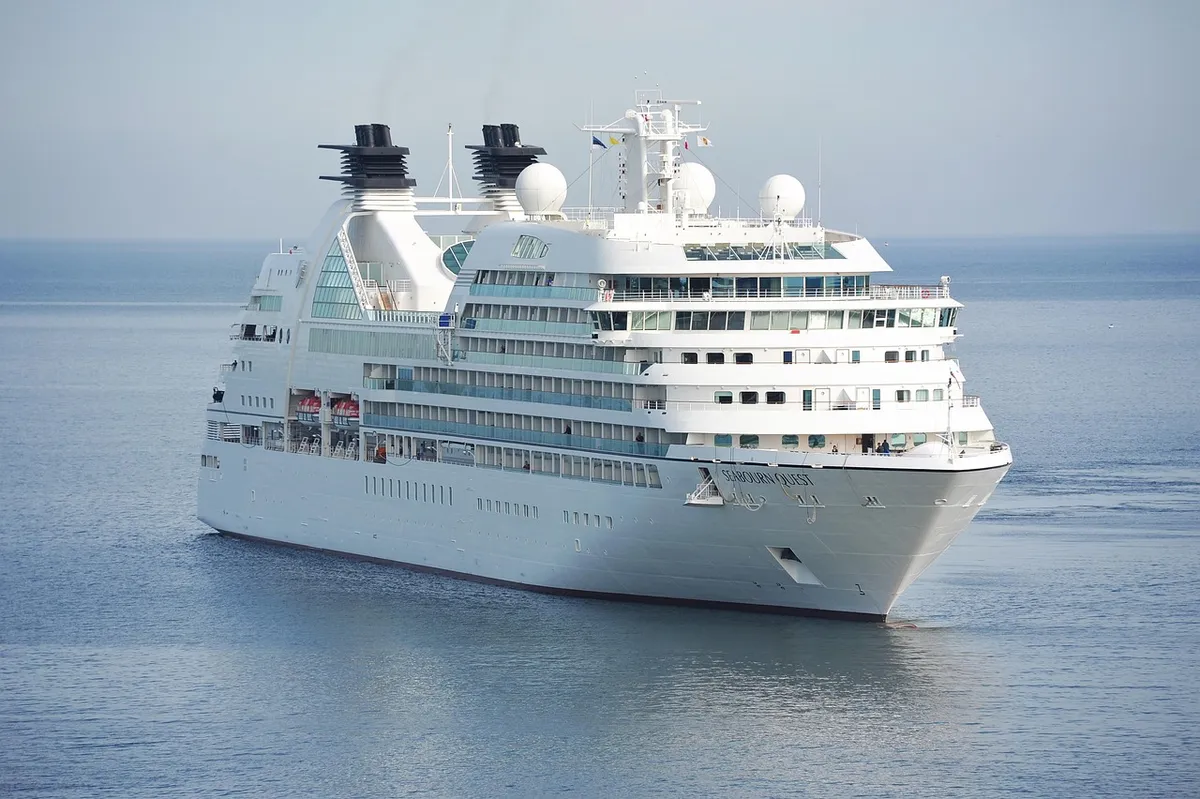
Effective time management is essential for a successful Santorini itinerary cruise. Use the first day for exploring the main towns and the second day for the unique geological sites. This balance ensures you experience the full scope of the island.
| Focus Area | Primary Activity | Key Feature |
|---|---|---|
| Village Exploration | Walking tours of Thira/Oia | Historic architecture |
| Geological Sightseeing | Visiting the volcanic caldera | Massive volcanic arc |
I found that moving between the port and the villages requires clear timing to avoid the heat of the day.
Spend your first day exploring the historic ruins of Akrotiri and the red beaches, then settle into your hotel for a sunset dinner. On the second day, wander through the narrow streets of Oia before heading back to the ship.
How to manage a Santorini cruise 1 night 2 day plan?
Sitting in a local cafe, you watch the ferries arrive at the port while planning your next move. Managing the logistics of a limited stay requires knowing the terrain and the scale of the island.
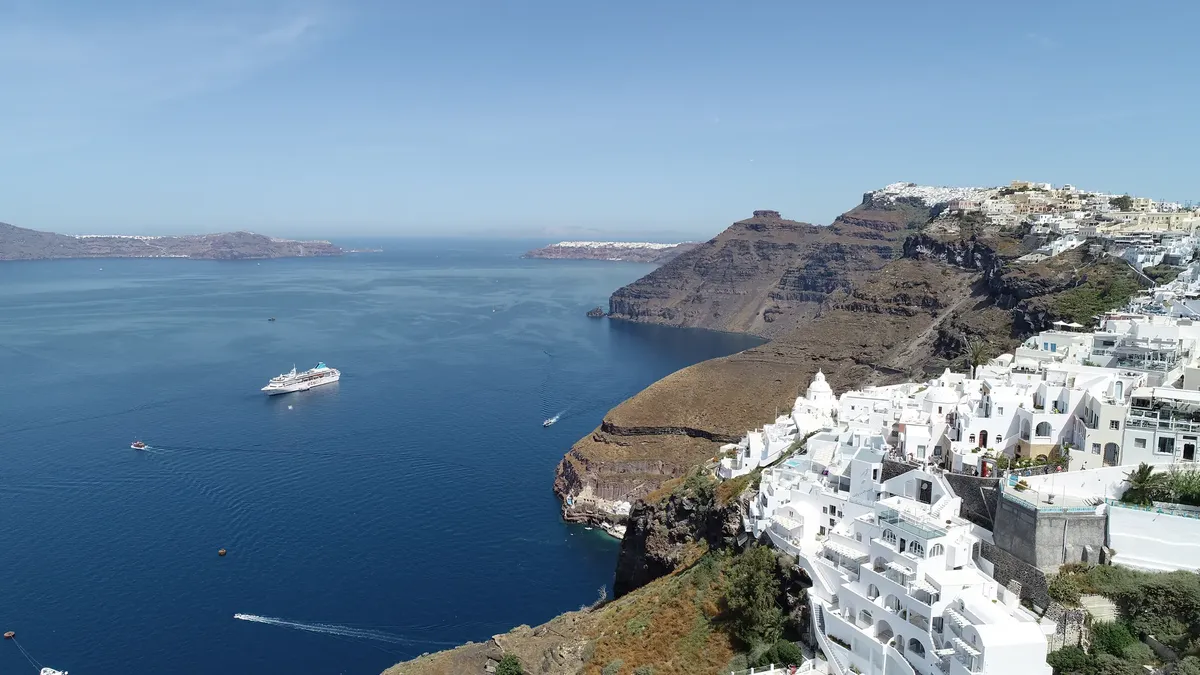
The first step is to arrange transportation from the cruise terminal to the higher elevations. Second, select a central base like Fira to minimize travel time between northern and southern points. Third, check local weather, as the island has an average annual temperature of around 19 °C (66 °F).
A successful Santorini cruise 1 night 2 day plan requires checking local transport availability. You should also verify the accessibility of certain paths, as the island's topography is quite steep.
A limitation of this plan is that it depends heavily on the cruise ship's docking schedule and the availability of local transport to the higher villages.
Keep a flexible schedule to account for potential delays in maritime docking or local transit. Pack light luggage to make moving between the ship and your hotel more efficient.
How to optimize Santorini cruise 1 night 2 day visits?
Walking along the edge of a cliff, you feel the immense scale of the caldera beneath you. Learning about the island's history helps you appreciate the landscape you are standing on.
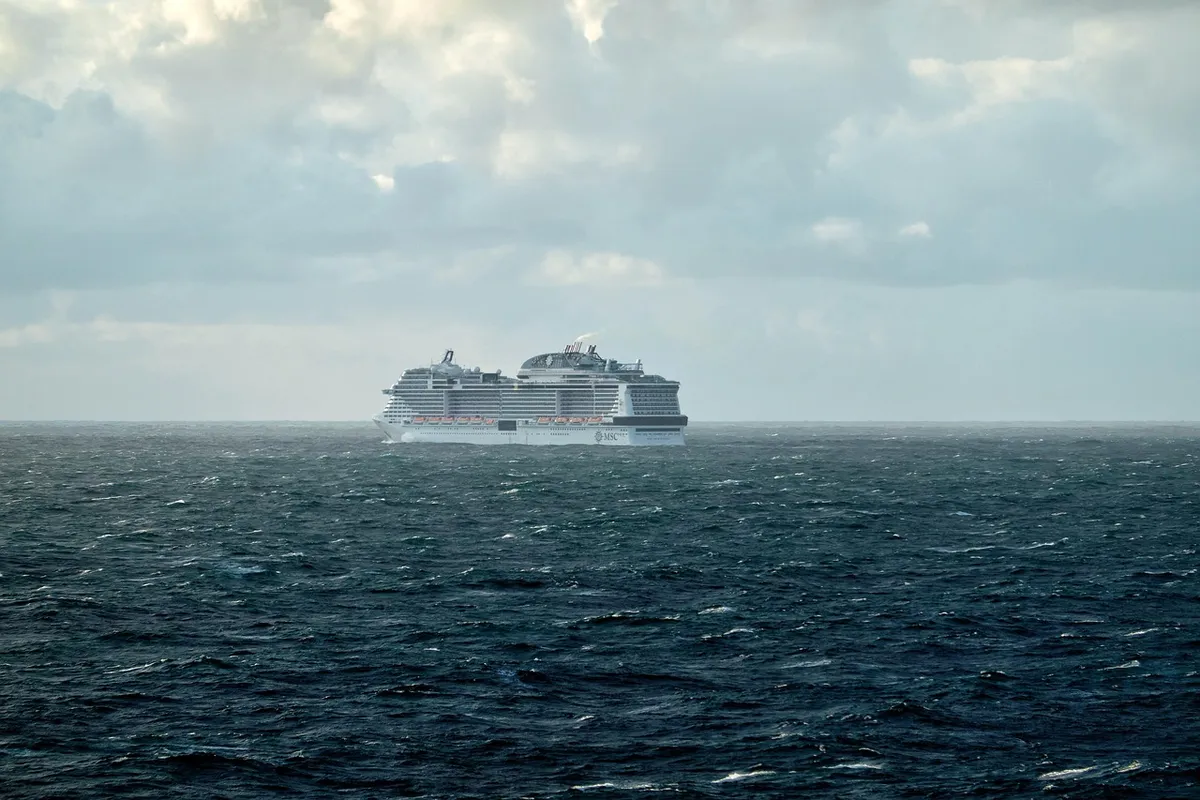
To optimize your visit, focus on the historical context of the island. Thera is built upon a small non-volcanic basement that represents the former non-volcanic island, which was approximately 9 by 6 km (5.6 by 3.7 mi). Understanding this foundation provides perspective on the current landscape.
A Santorini cruise 1 night 2 day trip is best enjoyed when you understand the interplay between the sea and the land. Using the village layouts as a guide helps you navigate the steep climbs.
Visit the most popular villages during the early morning or late afternoon to avoid the heaviest crowds. Use local buses or taxis to navigate the island quickly between sightseeing spots.
Related
- Santorini cruise half day plan: Guide to views
- Santorini shadow island trend: 200 km Why visit island
How does the scale of the Aegean affect the visit?
The Aegean Sea provides the dramatic context for the visit, contrasting the stability of the sea with the volatile nature of the island itself. The blue domes, perched against the cliffs, owe their setting to this body of water.
According to data from the World Bank, Greece recorded international tourist arrivals of 7,406,000 in 2020.
The steep cliffs plunge into the Aegean, offering views that speak to the island's dramatic geological formation.
The sea travel involved in reaching the island is part of the overall experience. Transit from the southern Aegean contributes to the feeling of isolation and unique setting. The caldera views are intrinsically linked to the surrounding sea.
The vastness of the Aegean Sea means that transit between islands can take significant time, making a focused two-day itinerary essential. Wind and wave conditions can also influence docking procedures and ferry schedules.
What cautions apply to visiting the caldera?
Visiting the caldera requires awareness of its immense scale and the fragility of the environment. The volcanic arc, while beautiful, is a powerful geological feature. The blue domes often overlook this vast, ancient structure.
Travelers should heed the caution regarding the uneven terrain. The steepness of the slopes is a constant factor when viewing the caldera. Careful navigation is needed when appreciating the island's dramatic profile.
The contrast between the stable landmass and the dynamic sea underscores the need for preparedness regarding the island's volatile history.
Be mindful of steep, uneven walkways and sudden changes in elevation when walking along the caldera rim. Always stay on marked paths and remain cautious of strong winds common in the volcanic landscape.
What is the importance of the Aegean Sea during the visit?
The Aegean Sea frames the entire experience of Santorini, providing the visual contrast to the island's geological activity. The blue domes are situated overlooking this body of water, making the sea integral to the visual appeal.
The sea travel itself is a necessary part of the journey to reach the island.
The sea's presence dictates the need for efficient transit planning upon arrival. The southern Aegean forms the backdrop against which the island's volcanic drama plays out. The caldera views are inseparable from the surrounding sea expanse.
Are there specific considerations for the blue domes?
The blue domes represent the villages perched along the caldera edge, offering views into the Aegean. These structures are positioned to take advantage of the dramatic setting provided by the sea.
The views from these dwellings encompass both the village architecture and the vastness of the sea below.
The contrast between the stable structures and the dynamic sea is visually striking. Navigating the steep paths often involves looking out over the Aegean expanse from these elevated points. The presence of the blue domes anchors the human element against the powerful natural setting.



Comments 0