Santorini shadow island trend: 200 km Why visit island
"The sun sets over the caldera, casting long shadows across the white-washed paths of Thira, signaling a shift in how travelers approach the Aegean."
The Santorini shadow island trend involves shifting travel patterns toward cooler periods and more nuanced exploration of the Cyclades. Travelers are moving beyond the peak summer heat to find balance between iconic views and manageable climates.
This guide covers seasonal shifts, geographical context, and climate realities to help you navigate the island effectively.
What exactly is the Santorini shadow island trend? A traveler stands on a balcony in Oia, watching the golden light fade into the deep blues of the Aegean Sea. The shift toward a "shadow island" experience suggests looking for the quieter, more reflective moments that occur outside the height of summer crowds.
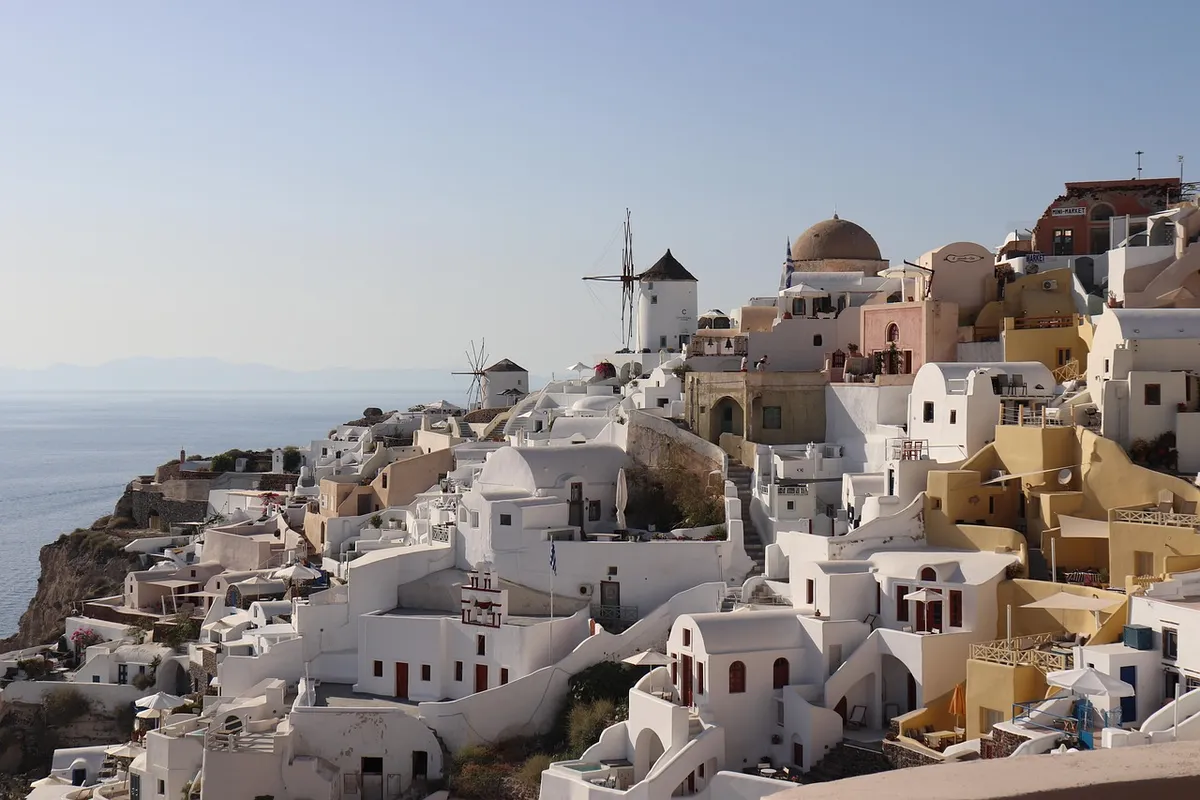
This trend focuses on finding relief from the intense heat while still enjoying the unique geography of the southern Aegean. By understanding the island's layout, visitors can better plan their movements.
Santorini, officially Thira or Thera, is a Greek island in the southern Aegean Sea, about 200 km (120 mi) southeast from the mainland.
The movement seeks to balance the desire for famous vistas with a need for more relaxed, less crowded environments. This shift in perspective allows for a deeper connection with the landscape. Understanding the physical reality of the island is the first step in mastering this travel style.
The trend centers on capturing the dramatic interplay of light and silhouette against the volcanic cliffs, often focusing on the stark contrast between bright white architecture and deep shadows.
Where is the island actually located?
In the dim light of dawn, a hiker traces the rugged coastline on a map to locate the volcanic heart of santorini. A hiker traces the coastline on a map in the quiet morning light, identifying the volcanic shape of Santorini.
Santorini is located about 200 km southeast from the mainland.
A hiker traces a map of the Cyclades, noting the specific placement of the volcanic caldera. Identifying the exact position of the island helps in planning sea routes and mainland connections.
The island is part of a larger archipelago, which dictates its weather and accessibility. It is the southernmost member of the Cyclades group of islands, with an area of approximately 73 km2 (28 mi2) and a 2021 census population of 15,480.
This compact size makes it easy to traverse but requires careful planning for peak periods.
Understanding the scale of the island is essential for managing expectations. The relationship between the land and the sea defines every aspect of the visitor experience.
The island is situated in the southern part of the Aegean Sea within the Cyclades group.
What is the climate like during visits?
A tourist wipes sweat from their brow while walking through a narrow, sun-drenched alleyway. The heat of the Mediterranean sun is a constant factor for anyone visiting during the warmer months.
The climate plays a decisive role in how people experience the island's beauty.
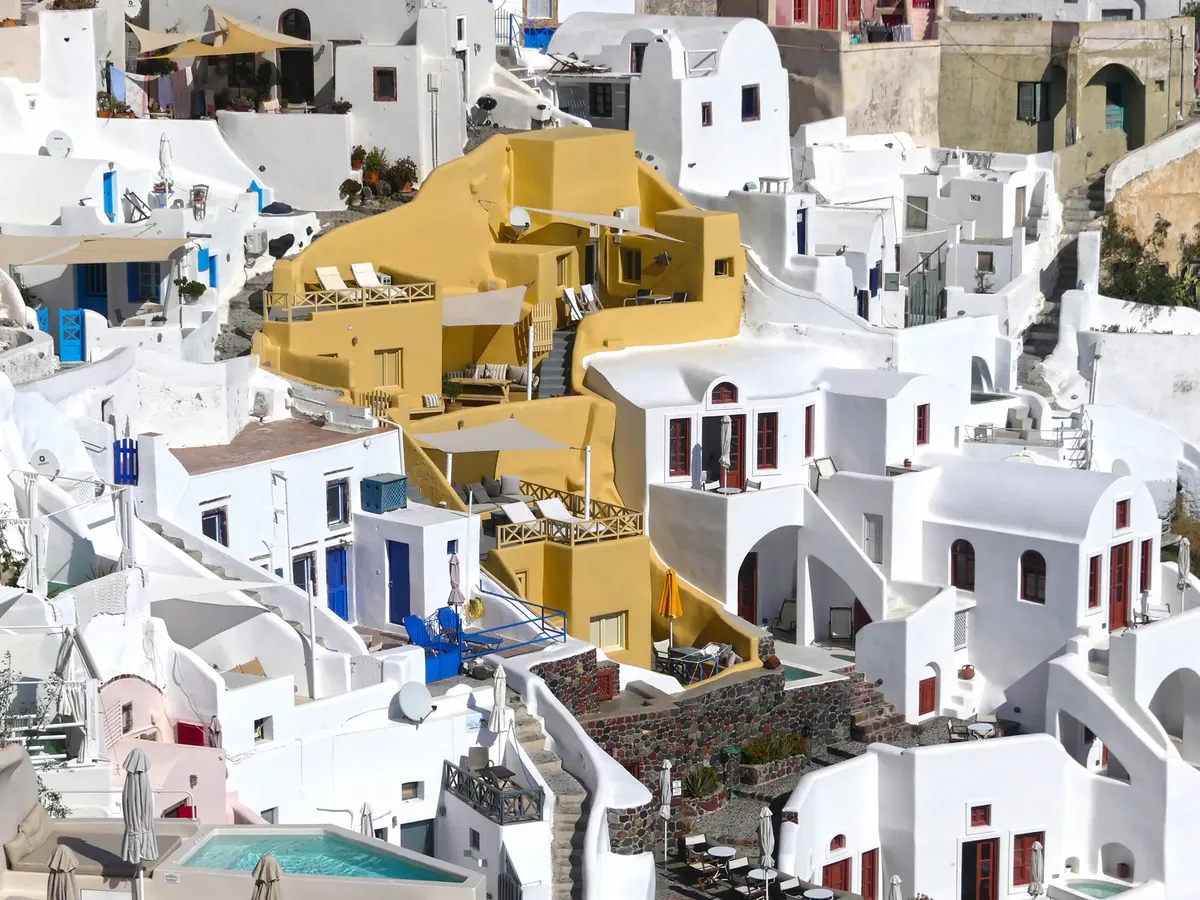
According to the National Observatory of Athens, Santorini has a hot semi-arid climate (Köppen climate classification: BSh) with Mediterranean (Csa) characteristics, such as the dry summers and the relatively wetter winters.
The temperature and precipitation levels influence daily activities and packing requirements. It has an average annual precipitation of around 270 mm (11 in) and an average annual temperature of around 19 °C (66 °F).
This baseline helps travelers prepare for the seasonal fluctuations they will encounter.
Visitors can expect hot, dry summers and mild, temperate winters.
How can you navigate the island's landscape?
A traveler looks out over the caldera, noting the rugged terrain and the way the buildings cling to the cliffs. Navigating the steep, winding paths requires physical readiness and a strategic approach.
To manage the landscape effectively, follow these steps:
- Plan routes based on the time of day to avoid the strongest midday sun. 2. Wear sturdy footwear suitable for uneven, volcanic terrain. 3. Carry sufficient water to stay hydrated in the dry, semi-arid climate.
Always check local weather forecasts before embarking on long walks or boat trips. I found that timing my walks for the early morning provided the best visibility and cooler temperatures.
- Walk through the narrow pedestrian alleys to reach higher elevations.
- Use local buses or taxis to travel between different villages.
- Utilize winding paths to navigate the steep volcanic terrain.
What are the limitations of visiting?
A person sits in a shaded cafe, observing the intense light reflecting off the white walls. Certain conditions can make the island's environment challenging for some travelers.
The unique geological and climatic makeup of the island can present difficulties. The hot semi-arid climate can lead to intense heat during the summer months.
Additionally, the island's history is marked by geological activity, such as the 1956 Amorgos earthquake which struck 50 km (31 mi) from Santorini.
While the scenery is breathtaking, the ruggedness of the terrain and the heat are real factors to consider. Travelers should be mindful of these environmental realities when planning their itinerary.
The steep terrain and many stairs can make mobility difficult, and high temperatures can limit outdoor activities during midday.
Comparison of Island Statistics
| Feature | Data Point |
|---|---|
| 2021 Census Population | 15,480 |
| Average Annual Temperature | 19 °C (66 °F) |
The data shows the scale of the resident population and the typical climate baseline. According to World Bank data, Greece recorded international tourist arrivals of 7,406,000 in 2020.
The island features a high elevation relative to sea level and a compact land area.
The subject here is Santorini shadow island trend.
The same subject is also called Santorini summer comeback.
The same subject is also called Shadow island travel guide.
The same subject is also called Santorini food and sights.
The same subject is also called Hot season Santorini tips.
This part also covers Best Santorini dining spots.
This part also covers Must see Santorini views.
This part also covers Visiting Santorini in summer.
Best Santorini dining spots
Related
Why does the setting sun matter?
The sun sets over the caldera, marking the transition from high-intensity sightseeing to a more contemplative travel experience. This visual cue signals the end of the most intense heat of the day.
The golden light fading into the deep blues of the Aegean Sea provides a dramatic backdrop to the traveler's journey through the island.
The caldera itself is the central feature around which the island's experience revolves. Watching the setting sun here provides a powerful illustration of the island's unique geological setting. This dramatic display is a culmination of the island's volcanic formation.
The contrast between the bright daytime scene and the deepening twilight underscores the need for travelers to adjust their expectations. The setting sun prompts a shift from active exploration to quiet appreciation of the landscape.


Comments 0